
The Most Cinematic Château Wedding Venues in France
The Most Cinematic Chateau Wedding Venues in France
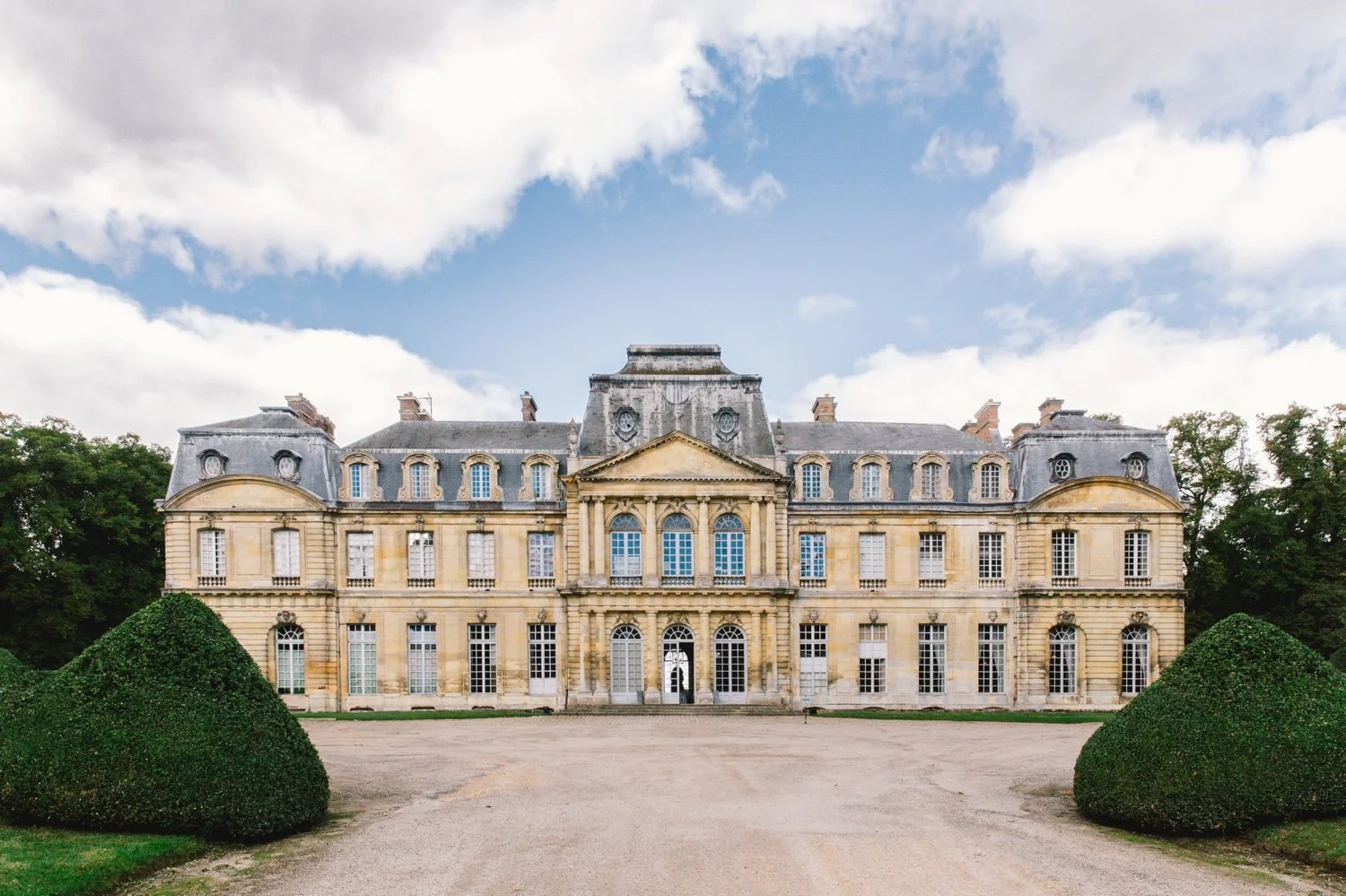
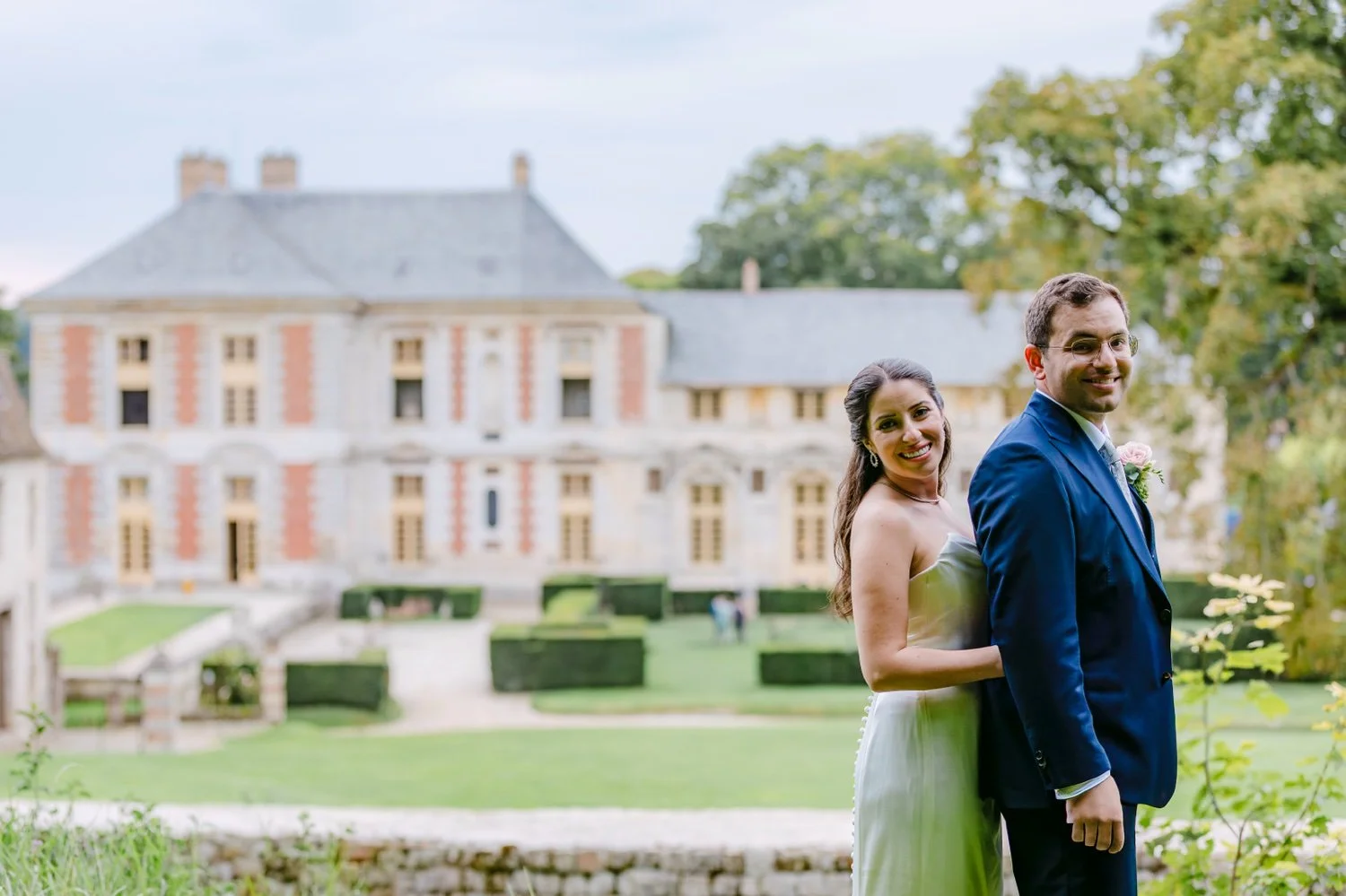
The elegant façade of Château de Champlâtreux near Paris, where Dani and Pete celebrated their wedding.
France is home to thousands of châteaux.
Across the country, historic estates rise from forests, vineyards, riversides and coastal cliffs. Some are monumental, some intimate, some almost hidden within their landscapes. It is one of the reasons why France has become one of the most sought-after destinations in the world for château weddings.From the Loire Valley to Provence and the French Riviera, international couples travel here to celebrate their wedding in historic estates surrounded by centuries of architecture, vineyards and remarkable landscapes.
But only a few châteaux possess something rarer than beauty.
They possess atmosphere.
As a wedding photographer working across France, I have learned that a truly remarkable château is not defined only by its architecture.
It is defined by the way light moves across its gardens, the way guests arrive through long tree-lined avenues, the way evening slowly transforms courtyards and terraces into candlelit stages.
Some estates feel intimate and poetic.
Others feel monumental and theatrical. But the most extraordinary ones share a single quality: they turn a wedding into a story that feels almost cinematic.
Across France, from the forests near Paris to the vineyards of Burgundy and the olive groves of Provence, a few châteaux stand apart.
These are places where landscape, architecture and light align perfectly. And where a wedding begins to feel less like an event…
and more like a film unfolding in real time.
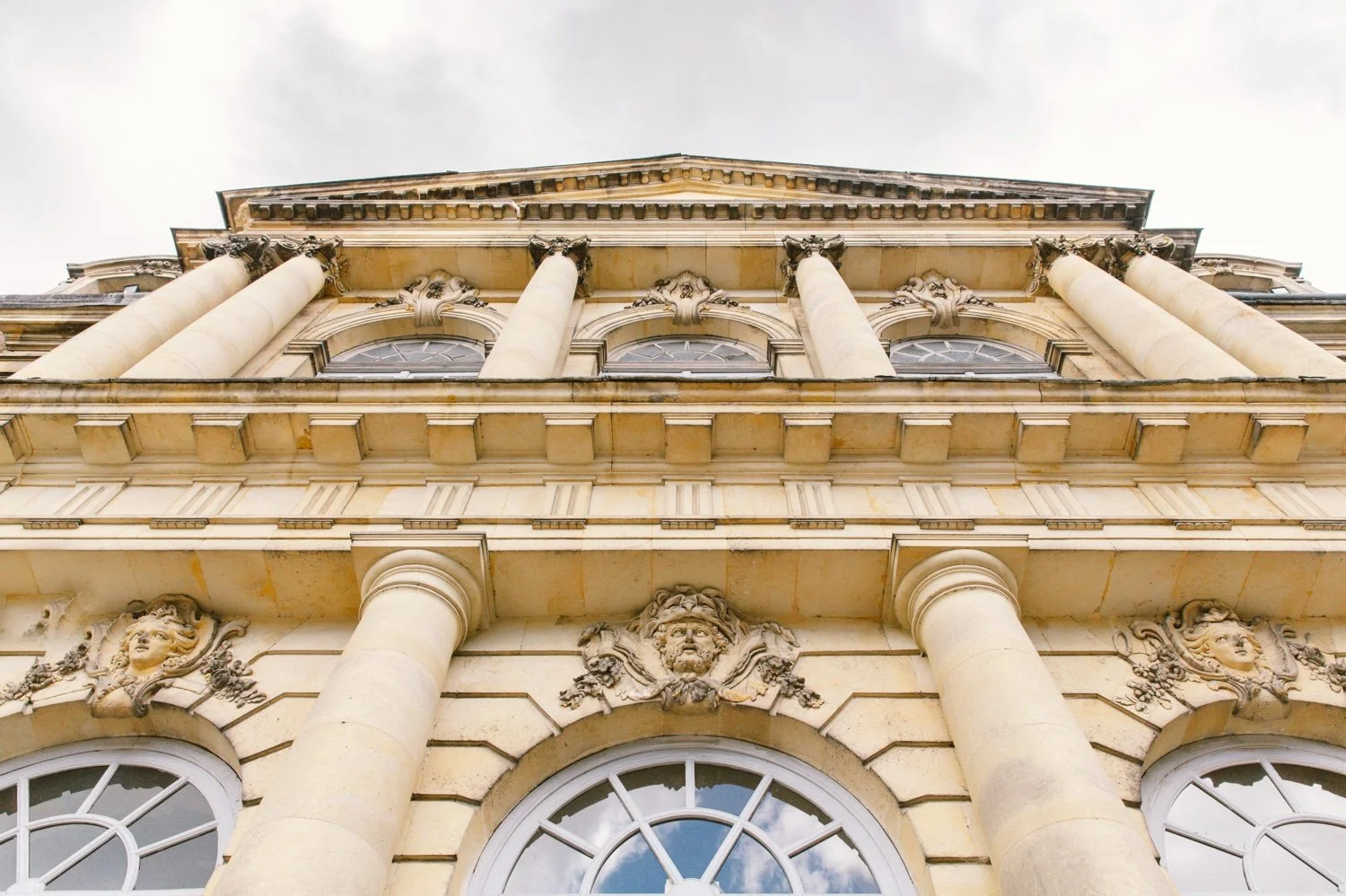
Where to find the most beautiful château wedding venues in France
France offers remarkable château wedding destinations across several regions:
• Île-de-France: historic estates near Paris such as Champlâtreux or Villette
• Loire Valley: romantic Renaissance châteaux surrounded by vineyards
• Burgundy: intimate countryside estates perfect for wedding weekends
• Provence: olive groves, vineyards and luminous Mediterranean light
• French Riviera: dramatic coastal castles overlooking the sea
This diversity is one of the reasons destination weddings in France feel so unique.
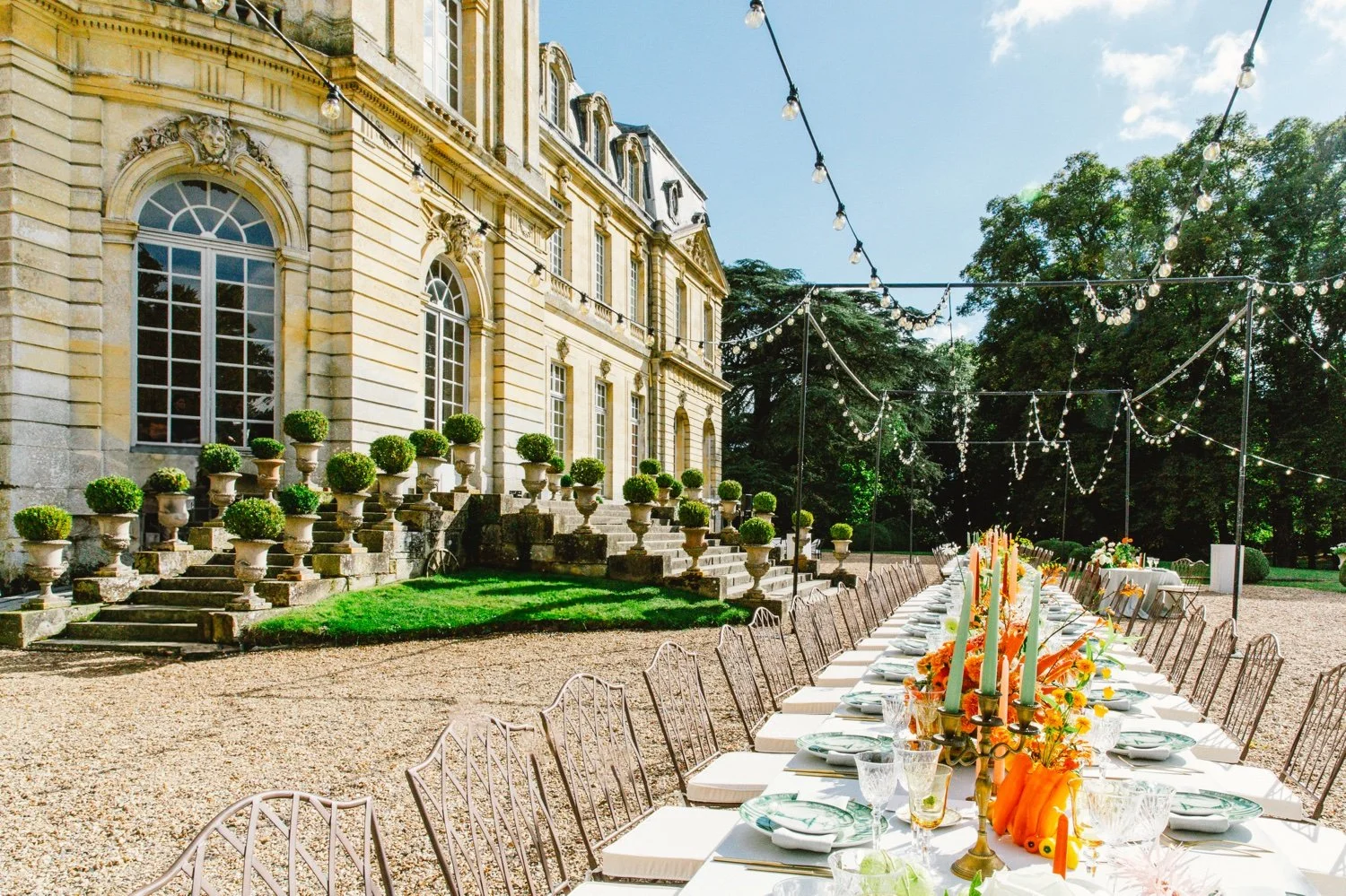
Outdoor wedding dinner set in the gardens of Château de Champlâtreux during Dani and Pete’s celebration.
Château de Champlâtreux
Classical elegance near Paris
Region: Île-de-France (near Paris)
A few kilometres north of Paris, Château de Champlâtreux appears almost suddenly after a long tree-lined avenue.
The architecture is pure eighteenth-century French classicism: balanced proportions, pale stone, elegant symmetry. It feels quiet, aristocratic and timeless.
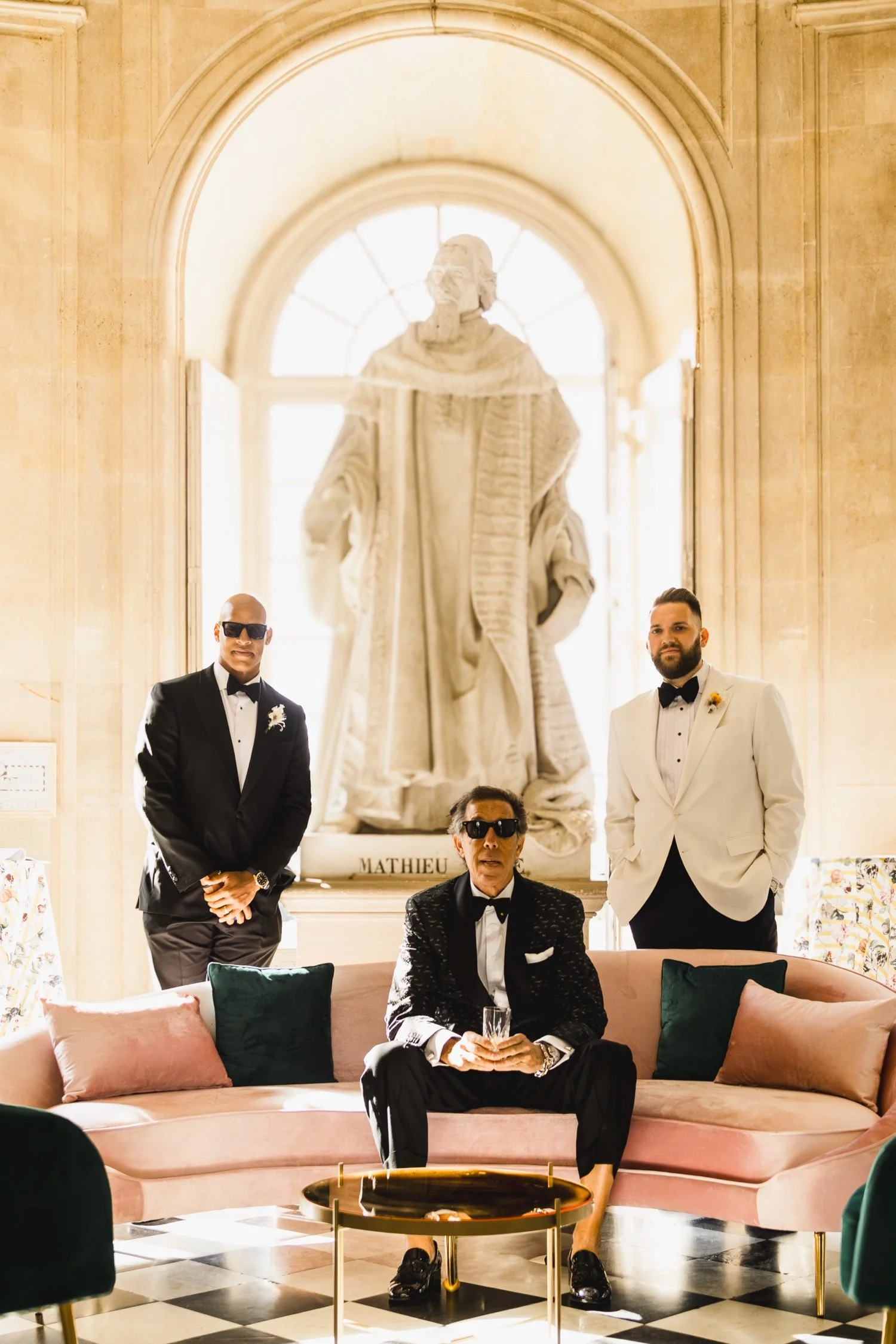
The groom with his father and best man inside the private salons of Château de Champlâtreux near Paris.
Late afternoon is when the château truly reveals itself. The sun filters through rows of lime trees and warms the façade with a golden glow.
Inside, the grand staircase becomes one of the most dramatic portrait settings in the entire Paris region.
The atmosphere here feels like something from a Sofia Coppola film — refined, intimate, quietly romantic.
Ideas for a wedding experience
Many couples arriving from Paris transform the approach into a moment of theatre. Imagine guests arriving in vintage Citroën DS cars, champagne already circulating in the gardens while a jazz trio plays softly beneath the trees.
A dinner under a sailcloth tent could slowly transition into a candlelit dance floor beneath the stars.
Many couples combine their château wedding with a few days in the capital, which is why I also love photographing Paris weddings and elopements.
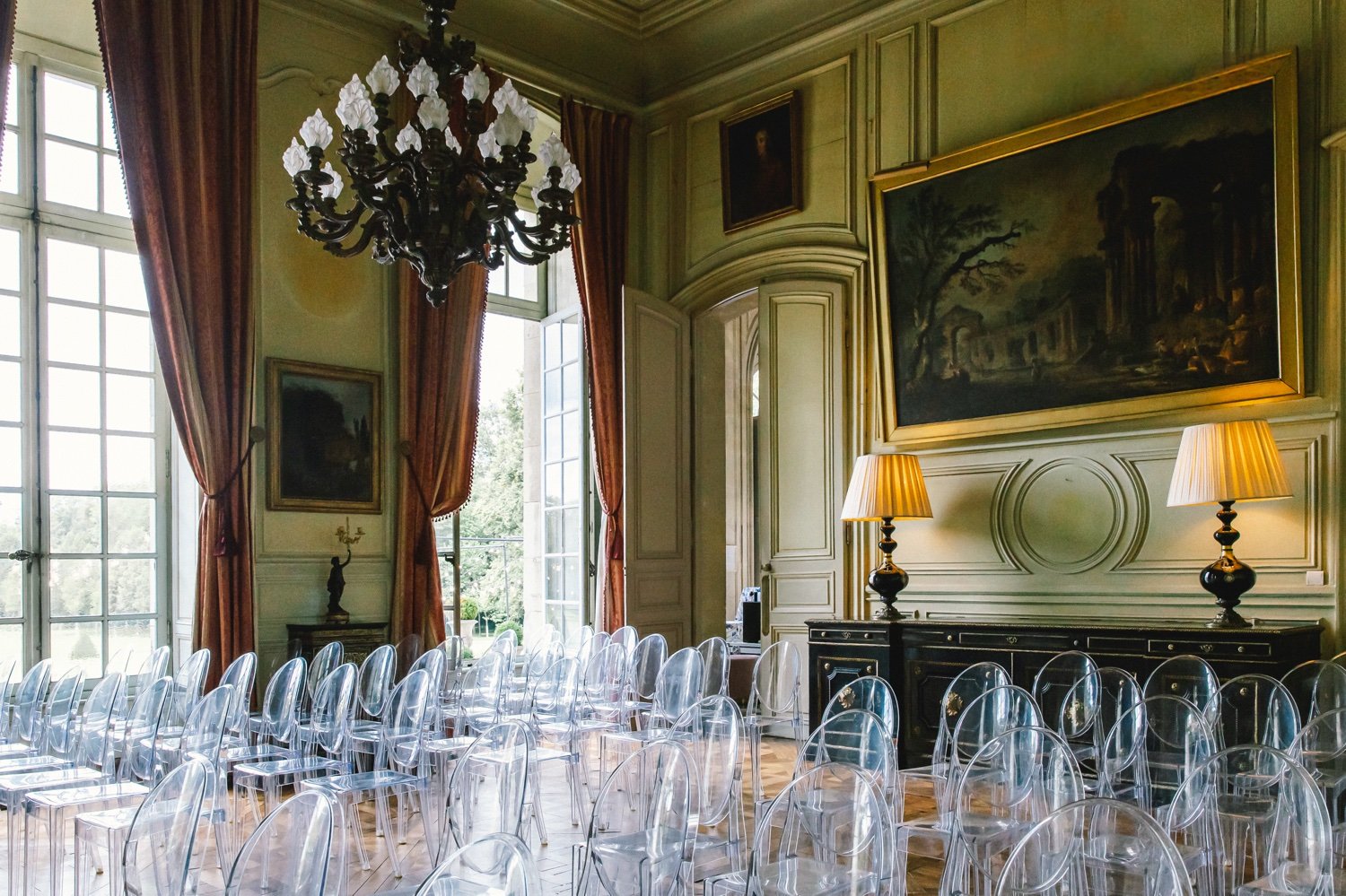
Ceremony setup inside Château de Champlâtreux.
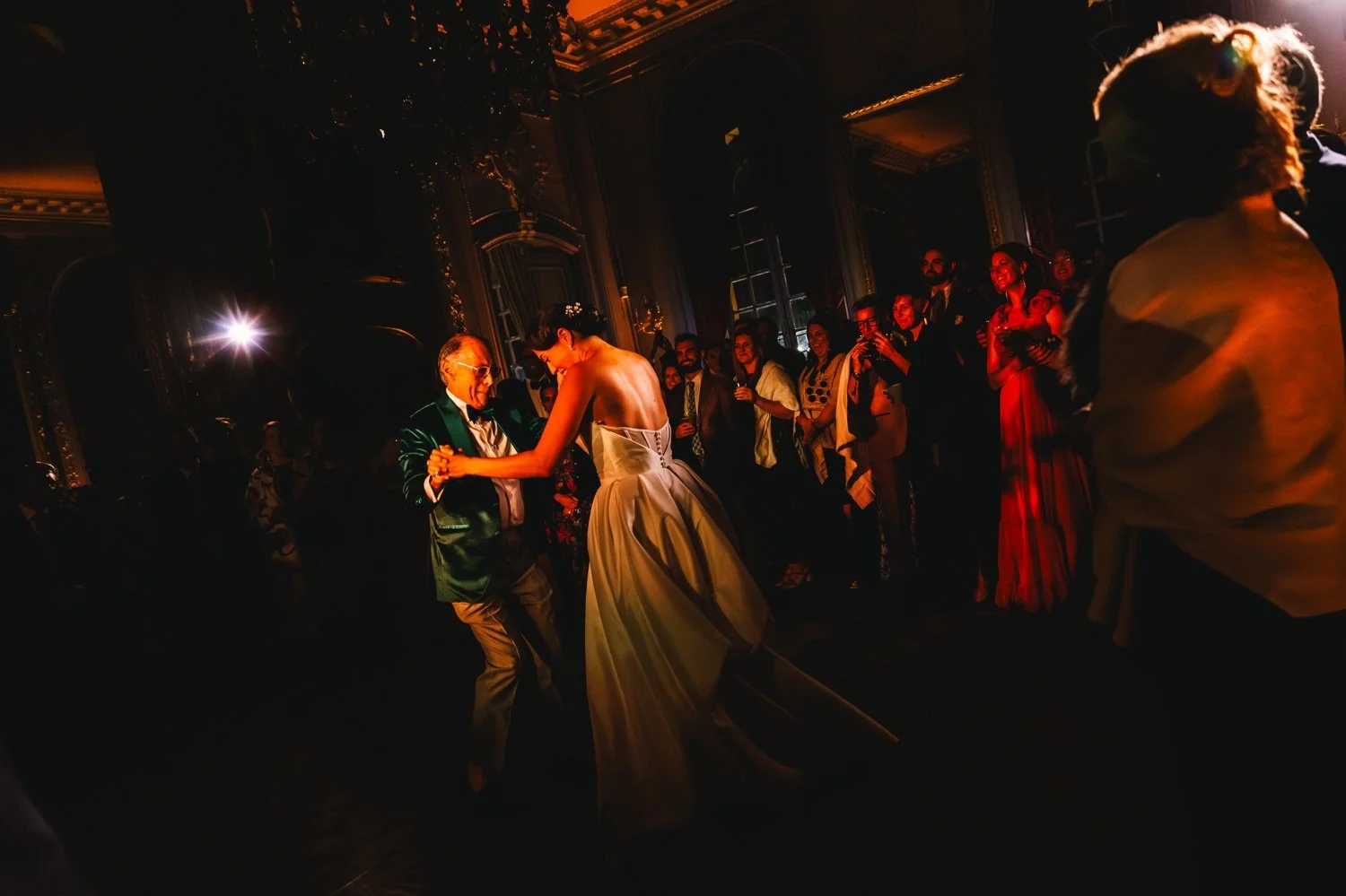
A magical dance moment during a wedding celebration at Château de Champlâtreux.
Château de Vallery
A Renaissance courtyard built for celebration
Region: Burgundy
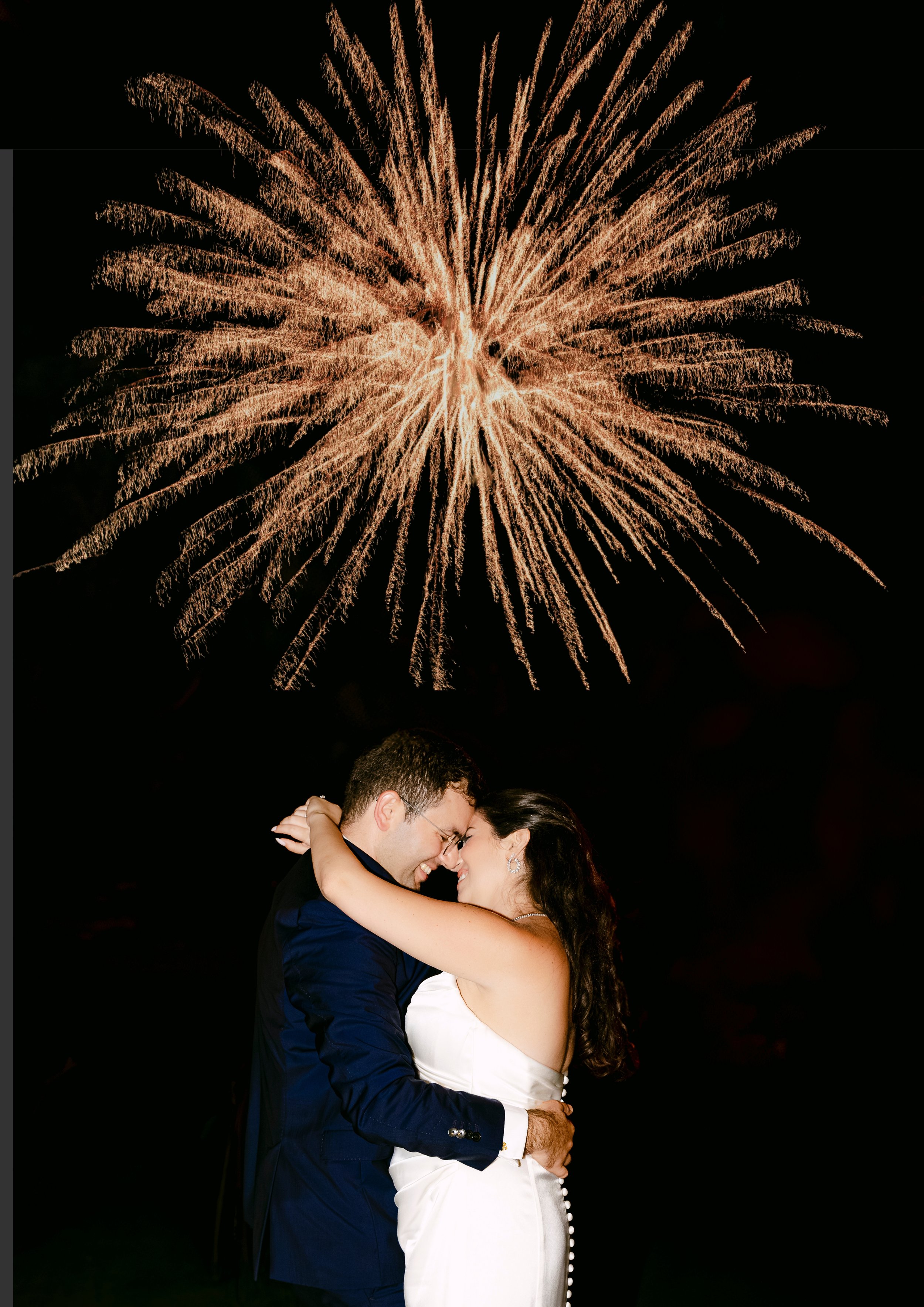
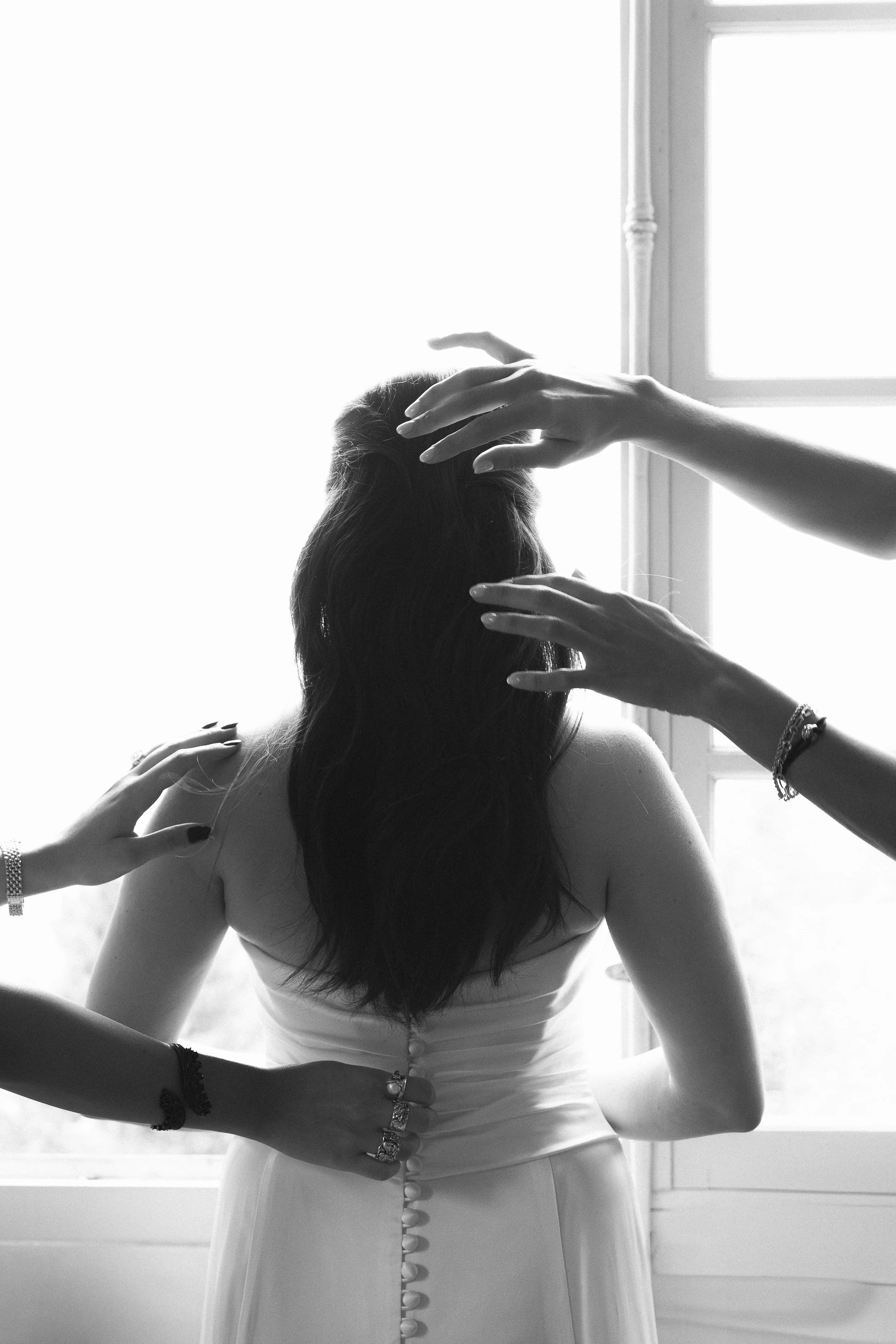
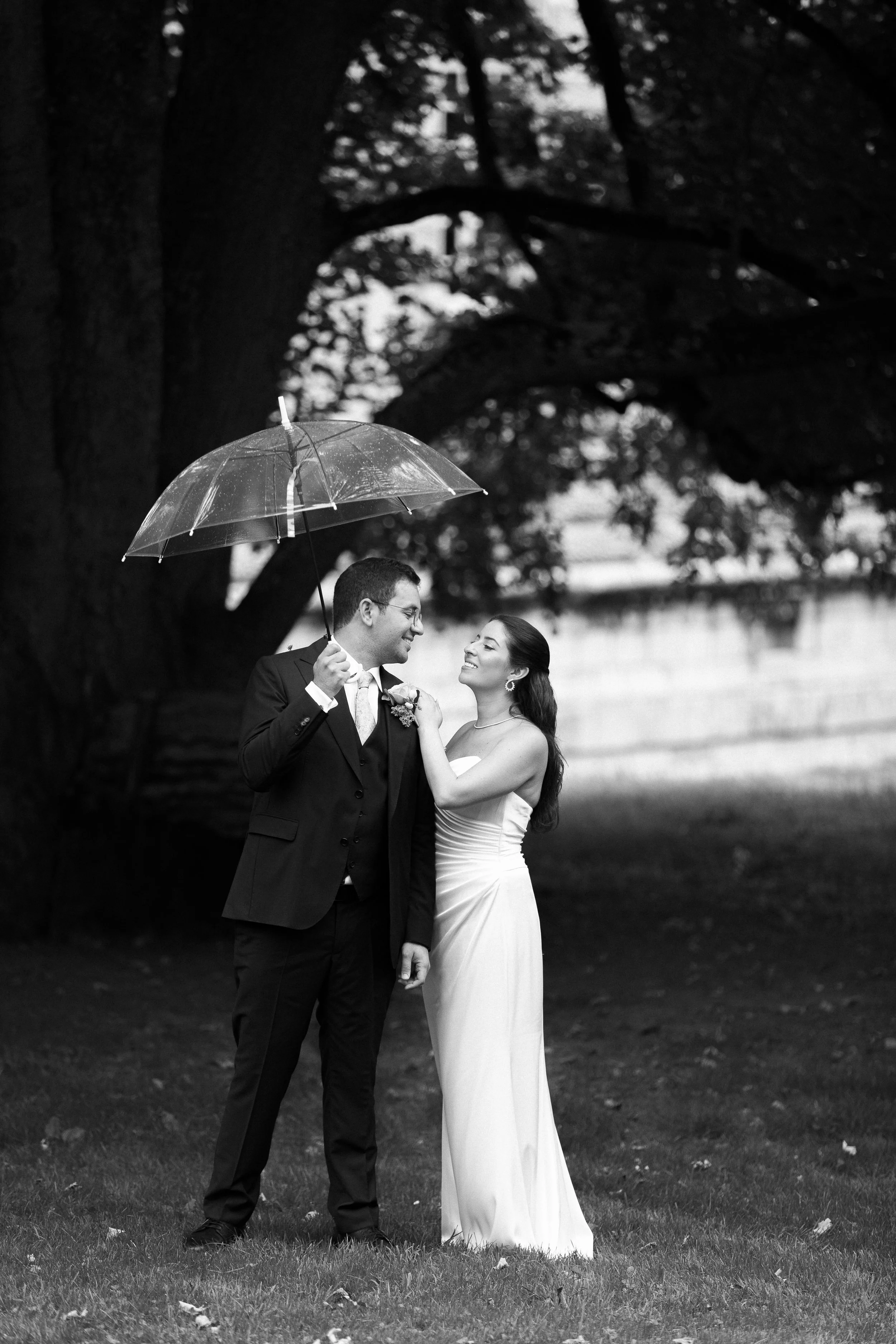
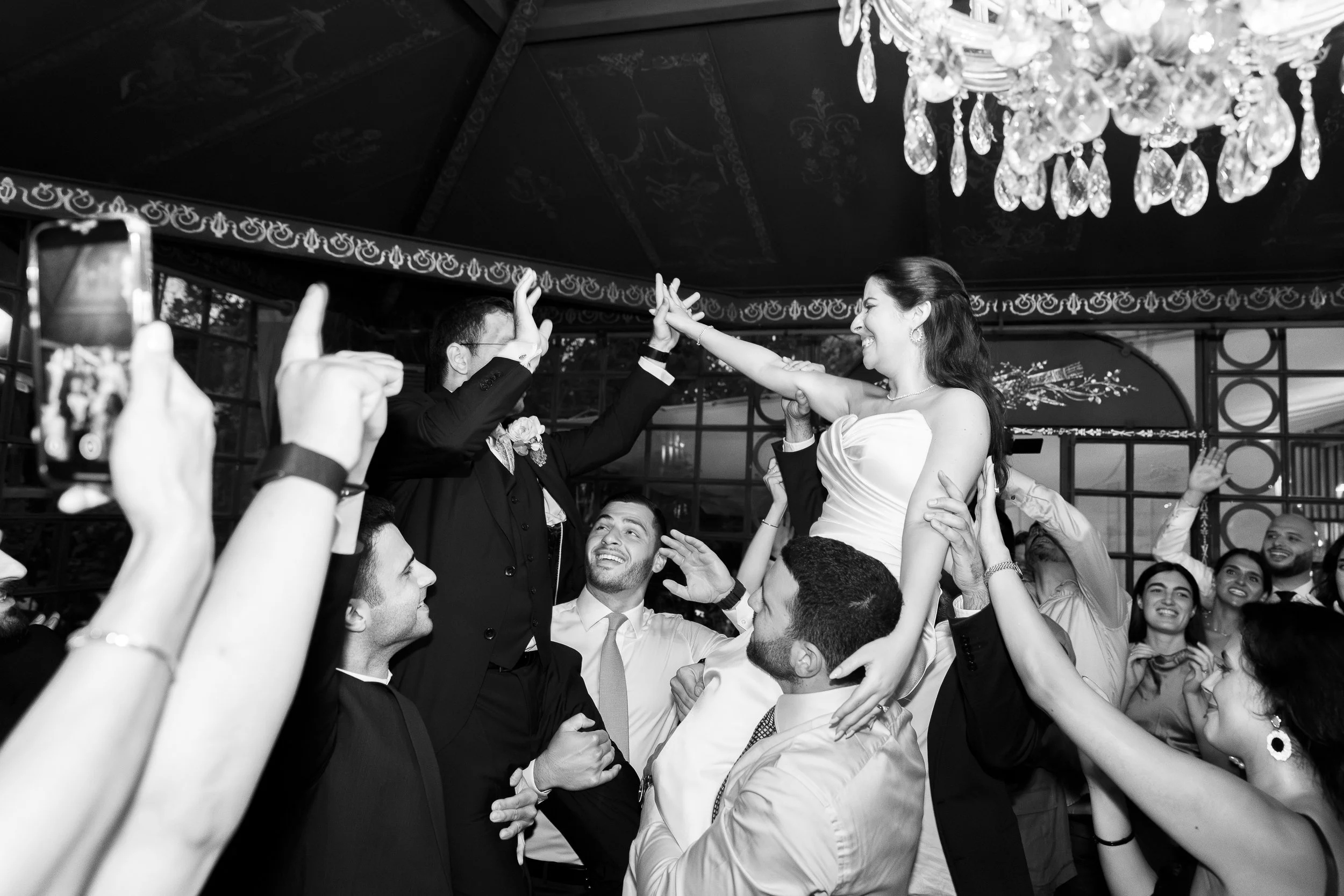
Some châteaux whisper elegance.
Château de Vallery prefers something louder.
Hidden in the gentle countryside of northern Burgundy, this sixteenth-century Renaissance estate was never designed for discretion. From the moment guests pass through its gates, they step into a vast stone courtyard framed by arcaded galleries, towers and warm golden façades that seem to glow as evening approaches. It feels less like entering a private residence and more like arriving on a stage. And that is exactly why Vallery has become one of the most beloved château wedding venues in France.
Built during the French Renaissance and once owned by Jacques d’Albon de Saint-André, a favourite of King Henry II, the château carries the quiet authority of historic power. Yet its atmosphere is surprisingly relaxed.
The architecture is monumental, but the mood is festive.
Unlike many estates where gardens dominate the setting, here the heart of the celebration is the courtyard itself — an extraordinary open space where long banquet tables, musicians and candlelight transform the château into something closer to a Renaissance festival than a formal reception.
As night falls, lanterns begin to flicker beneath the arcades. Music drifts through the galleries.
Guests wander through the stone corridors with glasses of champagne while laughter echoes against the ancient walls. Some couples choose elegant dinners beneath the arches.
Others push the theatrical spirit even further, transforming the courtyard into an open-air ballroom, with dancing beneath the stars and midnight celebrations that stretch deep into the Burgundian night.
Few places in France capture the joyful chaos of a great wedding quite like Vallery.
This is not a château that asks celebrations to behave politely. It encourages them to become unforgettable.
Château de Challain-la-Potherie
A fairytale château rising above the Loire countryside
Region: Loire Valley
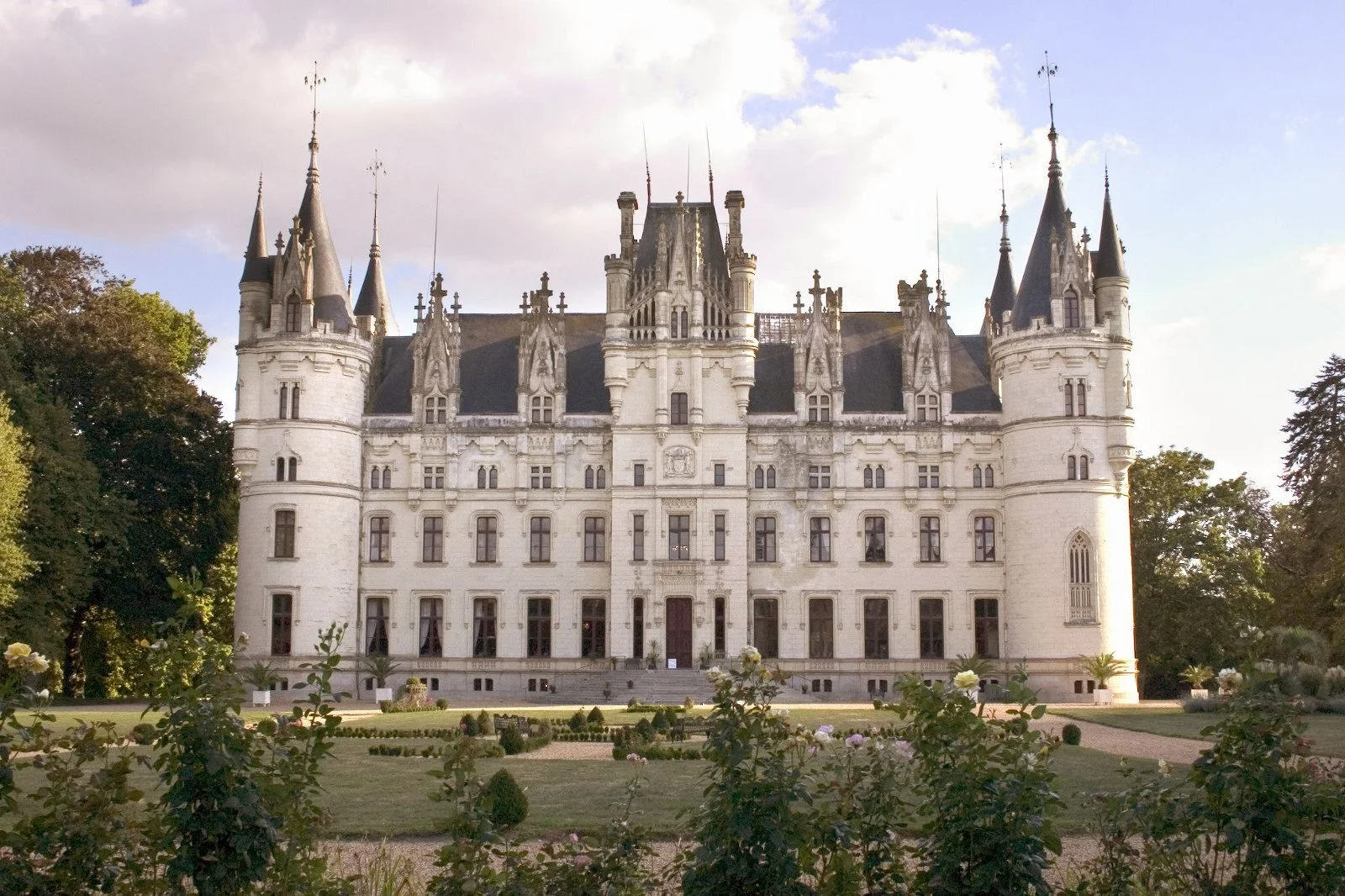
The neo-gothic towers of Château de Challain-la-Potherie rising above the Loire Valley countryside.
Some châteaux are elegant. Some are historic. Château de Challain-la-Potherie is something else entirely.
Rising from the countryside of western Loire Valley, its towers, turrets and elaborate stonework look almost deliberately extravagant — as if someone had decided to build the most unapologetically romantic castle imaginable and simply refused to stop.
The result is magnificent.
Built in the nineteenth century for the industrialist Ernest Guérin, the château embraces the full fantasy of neo-gothic architecture: soaring spires, sculpted façades, grand staircases and interiors that feel closer to theatre sets than to private rooms.
This is not a discreet château.
It is a château that understands drama.
And that is precisely why it works so well for weddings.
Guests arriving through the long avenue first see the towers emerging above the trees like something from a fairy tale. Conversations slow. Cameras appear. The day suddenly feels bigger than expected.
Some couples lean fully into that theatrical spirit.
Horse-drawn carriages rolling across the lawns. Champagne towers rising beside the terraces. String quartets drifting through candlelit salons.
Others go even further, fireworks exploding behind the spires, midnight masquerade balls, or a surprise opera singer appearing on the grand staircase.
At Challain, excess is not a problem. It is part of the charm.
Because when a place already feels slightly surreal, celebration can become wonderfully imaginative.
And that is the quiet secret of this château. It does not merely host weddings.
It encourages them to become a little bit legendary.
The neo-gothic towers of Château de Challain-la-Potherie, one of the most spectacular fairytale castle wedding venues in the Loire Valley.
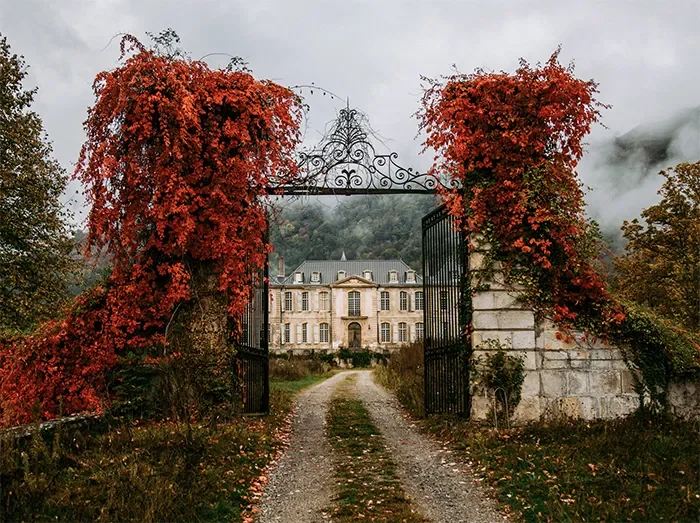
High above the valleys of the Ariège, where the Pyrenees begin to rise in long forested waves toward the Spanish border, Château de Gudanes feels dramatically removed from the world of classical château weddings.
There are no perfectly manicured parterres here. No Versailles symmetry.
Instead, the château sits alone on its hilltop like a quiet sentinel watching over forests, rivers and distant mountain ridges.
Originally built in the eighteenth century by the Marquis Louis-Gaspard de Sales, the château was once a grand aristocratic residence before falling into near ruin during the twentieth century. For decades it stood abandoned — its plaster crumbling, its rooms slowly reclaimed by wind and weather.
Today, its careful restoration has preserved that fragile beauty.
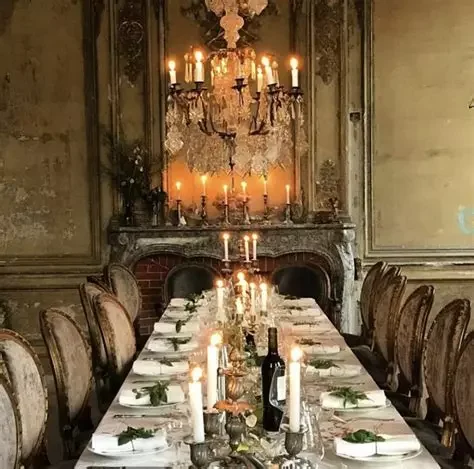
Walls still carry the marks of time. Light enters through tall windows and spreads across faded floors. And outside, the Pyrenean landscape stretches endlessly in every direction.
The atmosphere is wildly romantic. And very different from the polished elegance of many French estates.
Gudanes attracts couples who want something less traditional — artists, adventurers, travellers who feel more at home in mountains than in formal gardens.
Weddings here often feel like poetic gatherings rather than grand productions.
Long wooden tables set beneath the trees.
Wildflowers gathered from the surrounding meadows.
Music drifting across the valley as the sky slowly darkens.
Some couples organise candlelit dinners in the château’s raw interiors, while others choose outdoor celebrations where the mountains become the true backdrop.
Arrivals can be wonderfully unconventional.
Guests climbing the hill as the château appears through the trees.
Acoustic musicians playing beneath the terraces.
Or a sunset ceremony overlooking the valley where eagles sometimes circle in the thermals above the forest.
In a country famous for its formal estates and manicured gardens, Château de Gudanes offers something far rarer.
A place where landscape, history and a spirit of freedom combine to create a celebration that feels almost untamed.
The kind of wedding that does not try to control the setting.
But lets the mountains write part of the story.
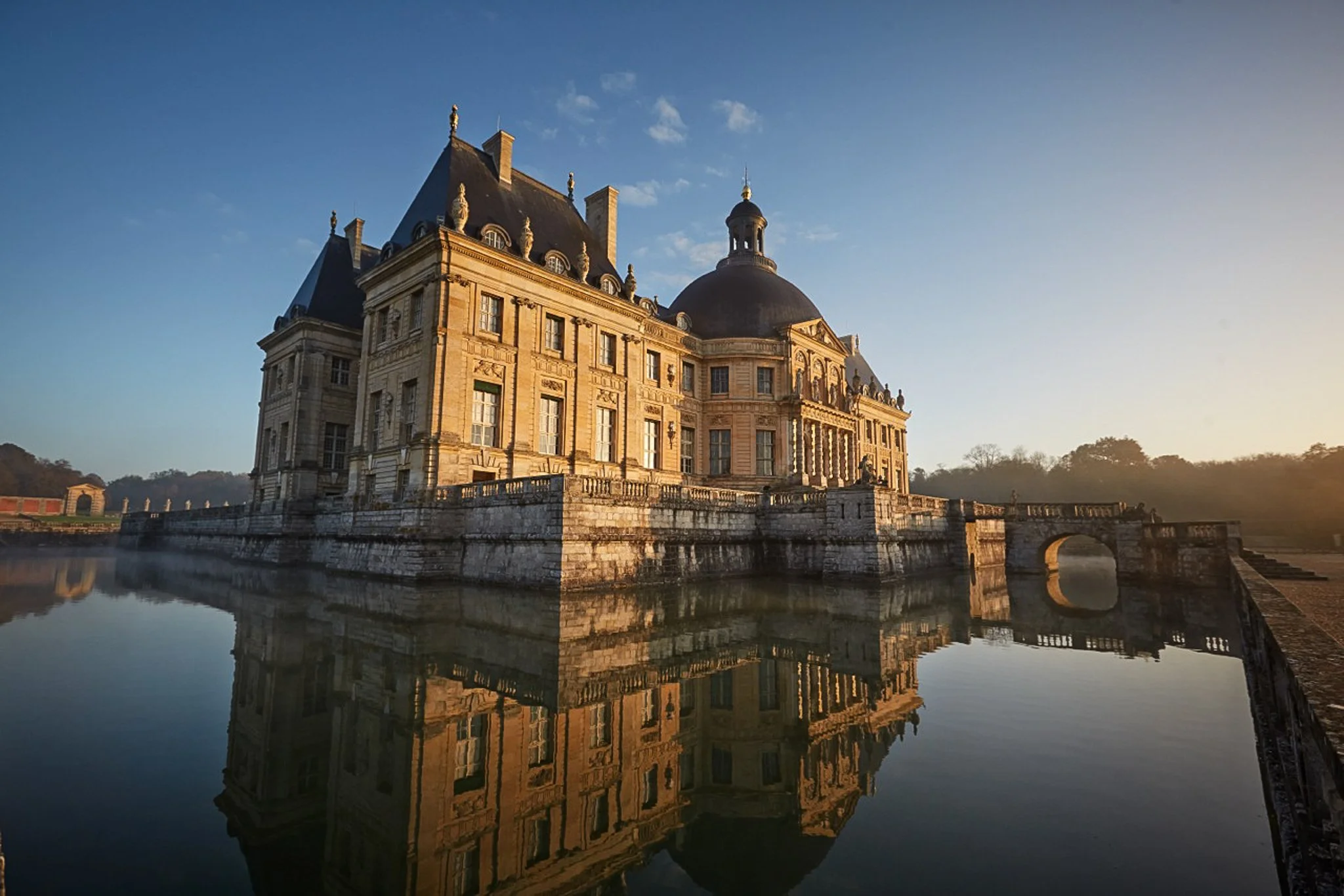
Château de Vaux-le-Vicomte, one of the most iconic château wedding venues near Paris.
Few places in France possess the visual drama of Vaux-le-Vicomte.
Built in the 17th century by Nicolas Fouquet, the château famously inspired the creation of Versailles.
The gardens stretch endlessly into the distance in the signature style of André Le Nôtre.
From a photographer’s perspective, it is extraordinary.
The light moves across the gardens in long horizontal planes, creating one of the most cinematic sunset moments in France.
At night, the château becomes even more spectacular. Hundreds of candles illuminate the gardens and terraces.
Dinner unfolds outdoors while the château glows behind.
It feels almost operatic.
A director like Baz Luhrmann would understand the theatrical possibilities immediately.
Ideas for unforgettable moments:
Some couples organise a grand fireworks display above the gardens.
Others plan a masked ball inside the château, inspired by Venetian carnivals.
One particularly memorable celebration even ended with guests dancing while thousands of candles illuminated the entire estate.
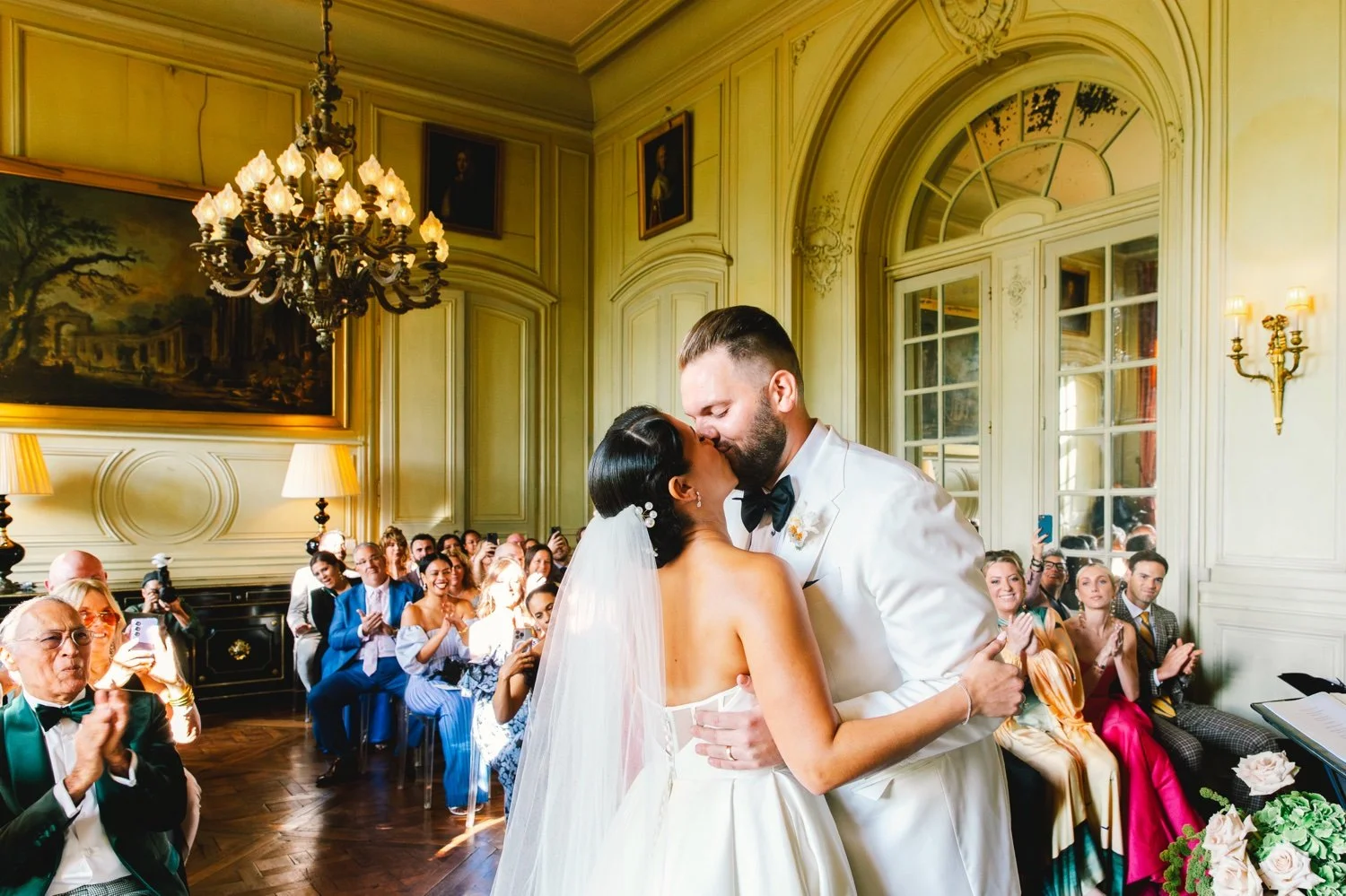
A wedding ceremony inside Château de Champlâtreux near Paris.
Château de Rochefort-en-Yvelines (Château Porgès)
A hilltop folly above the valley
Region: Vallée de Chevreuse, Île-de-France
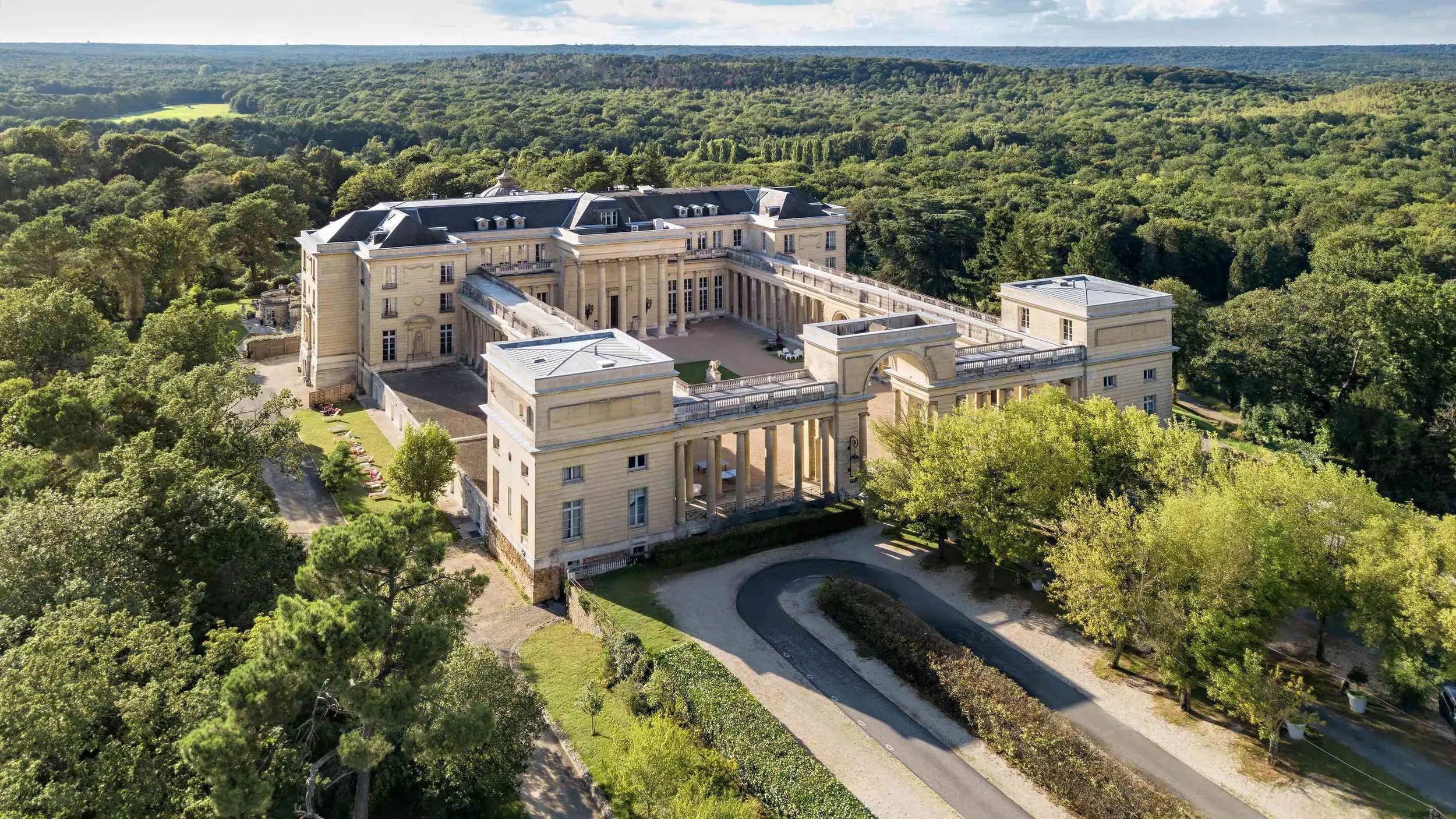
Aerial view of Château Porgès in Rochefort-en-Yvelines.
Perched high above the landscapes of the Vallée de Chevreuse, the Château de Rochefort, originally built as the Château Porgès in the early 20th century, has always carried a reputation for extravagance.
Commissioned by the wealthy diamond merchant Jules Porgès, the château was conceived almost as an architectural folie: a grand residence designed less for restraint than for pleasure and celebration.
The result is striking.
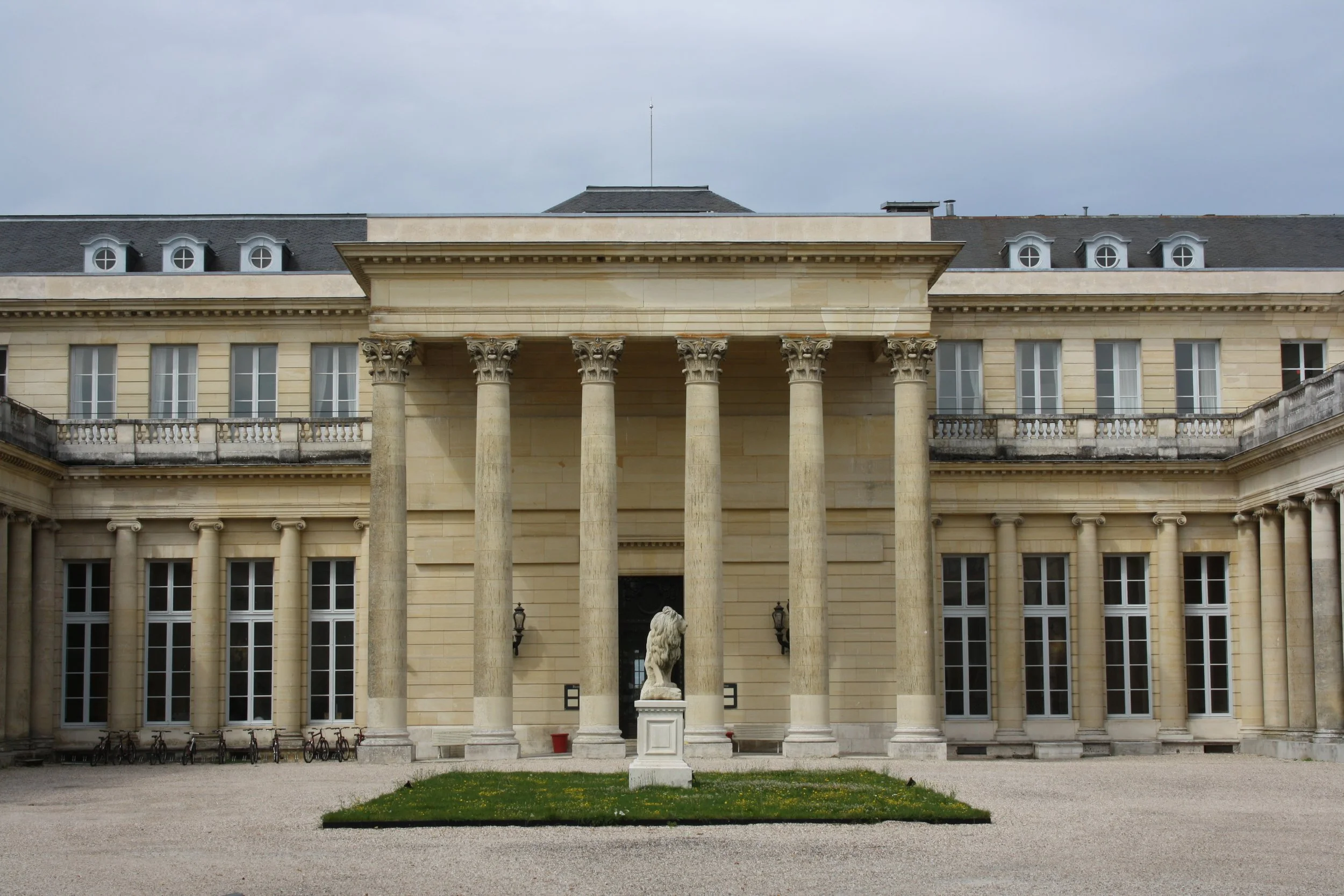
Generous salons, vast terraces and sweeping views open toward the surrounding countryside, creating a rare feeling of space just 35 minutes from Paris.
Because the château sits above the valley, the light behaves beautifully here. Late afternoon sun washes across the stone façade while the distant hills fade into soft blue tones, an extraordinary moment for portraits that feel both intimate and cinematic.
Rochefort is a place that invites bold celebrations.
Cocktails on the panoramic terraces as the sun sets over the valley.
Dinner beneath chandeliers in the grand salons.
And later, music drifting back outdoors as the celebration continues under the night sky.
It is generous, slightly extravagant and unapologetically theatrical, exactly what a hilltop château should be.
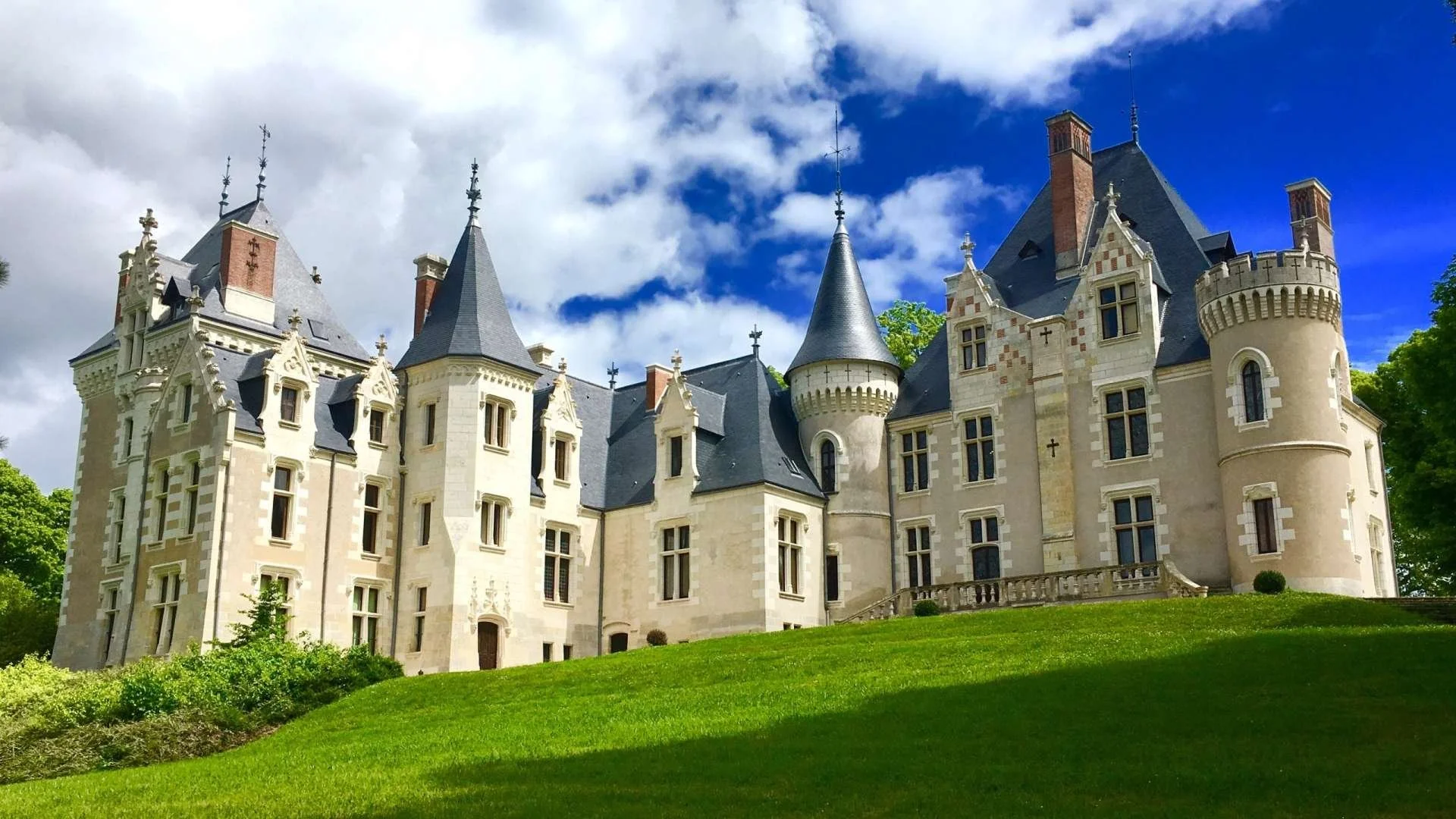
Domaine de Candé, a historic château wedding venue in the Loire Valley.
Hidden within the Loire Valley, Château de Candé carries a remarkable romantic history.
It was here in 1937 that the Duke of Windsor married Wallis Simpson, a wedding that captivated the world.
The château feels elegant and intimate rather than monumental. Surrounded by peaceful parkland and mature trees, the atmosphere is almost contemplative.
Morning light here is particularly beautiful. Soft mist sometimes rises from the landscape, creating a painterly atmosphere for portraits.
If cinema had to claim Candé, one might imagine the delicate aesthetic of Jane Campion or the romantic realism of Joe Wright.
Ideas for a refined celebration
The Loire Valley is also one of France’s great wine regions. Many couples organise private wine tastings in nearby vineyards the day before the wedding.
Dinner on the estate might feature regional gastronomy paired with local wines, turning the wedding weekend into a truly immersive experience.
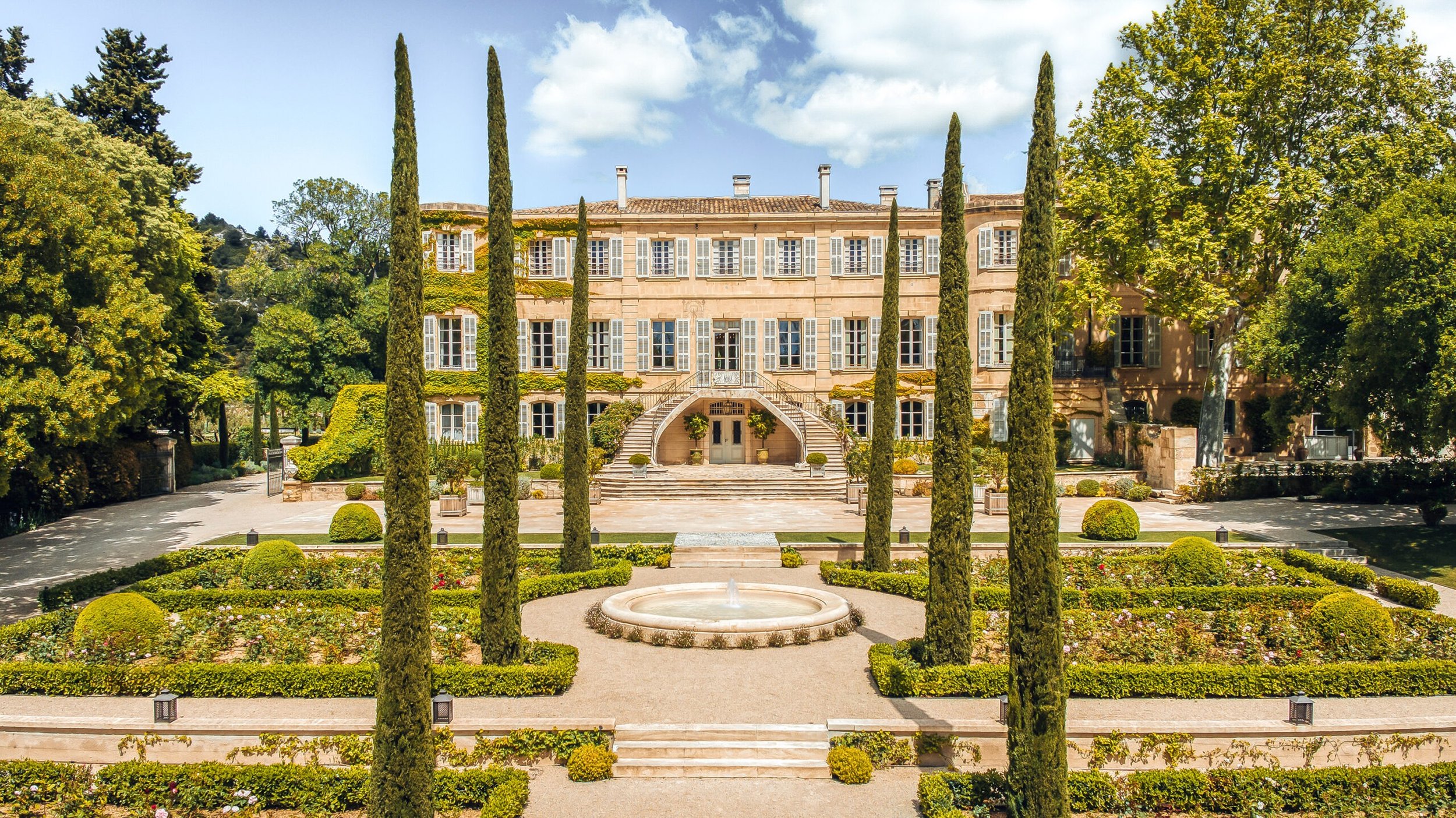
Château d’Estoublon in the Alpilles, a historic olive estate in Provence.
In the heart of the Alpilles, surrounded by ancient olive groves and vineyards shimmering under the southern sun, Château d’Estoublon embodies the dream many international couples imagine when they think of a wedding in Provence.
The estate dates back to the 15th century, but centuries of refinement have transformed it into one of the most elegant olive and wine estates in southern France.
Arriving here feels immediately different from the grand northern châteaux.
The air carries the scent of wild herbs and olive leaves. Cicadas begin their evening chorus as the sun lowers behind the limestone hills of the Alpilles. And slowly the château appears, pale stone glowing in the Provençal light.
Light, olive trees and Provençal colour
For photographers, Estoublon offers a rare palette.
Rows of olive trees create rhythmic patterns across the landscape while vineyards stretch toward the horizon. The light in Provence is famously luminous, bathing the estate in warm tones that feel almost painterly.
During golden hour the entire property seems to glow.
Dusty paths turn amber.
Stone walls soften into honey-coloured tones.
And the sky fades slowly from pale blue into lavender and rose.
It is the kind of landscape that could belong to a film by Luca Guadagnino, sensual, sun-drenched and quietly luxurious.
A Provençal wedding weekend
What makes Château d’Estoublon particularly appealing for destination weddings is the way celebrations can unfold across the estate.
A welcome dinner beneath centuries-old plane trees the night before. The ceremony framed by olive groves and vineyards. Cocktails beside the château as the sun sets across the Alpilles.
Dinner might follow in the courtyard under long garlands of lights, where Provençal cuisine: seasonal vegetables, grilled fish, local wines and the estate’s own olive oil, turns the evening into a true Mediterranean feast.
As evening falls, long tables begin to glow under strings of lights, glasses of rosé catch the last golden reflections of the sun, and the sound of laughter drifts slowly through the olive trees.
And the next morning, brunch among the olive groves.
Relaxed, elegant and deeply rooted in the rhythms of southern France, the kind of place where a wedding feels less like an event and more like a celebration of the landscape itself.

Aerial view of Château de Villette, a grand 17th-century estate near Paris surrounded by formal gardens and water features.
Hidden in the countryside north-west of Paris, Château de Villette is often called “Le Petit Versailles”, and the nickname is not an exaggeration. The château was built in the seventeenth century and surrounded by gardens attributed to André Le Nôtre, the legendary landscape architect behind Versailles. Everything here is designed around symmetry, perspective and scale.
Long reflecting pools stretch toward the horizon.
Perfectly aligned avenues guide the eye across the landscape.
And the château rises at the centre like the quiet anchor of the entire composition.
Arriving at Villette has something of a cinematic quality.
The road opens onto the gardens, the reflecting pools suddenly appear, and the château reveals itself slowly beyond the water.
It is the kind of entrance that immediately changes the rhythm of the day.
Guests pause.
Cameras appear.
And the celebration begins to feel larger than life.
Light, reflections and the art of perspective
For photographers, Villette is extraordinary because the entire estate is built around light and perspective.
The long reflecting basins mirror the sky, doubling the sense of space and turning even simple portraits into something almost painterly.
During summer evenings, golden light glides slowly across the lawns before touching the stone façade of the château.
This moment lasts only a few minutes, but it creates some of the most extraordinary portrait light in the Paris region.
The reflections deepen, the sky softens and the entire estate begins to glow.
A wedding here easily unfolds like a carefully composed film, somewhere between the visual precision of Stanley Kubrick and the romantic historical worlds of Joe Wright.
A château made for elegant celebrations
What makes Villette particularly appealing for international couples is its balance between grandeur and intimacy.
It offers the aesthetic of Versailles, but within the privacy of a family estate where a celebration can unfold naturally over several days.
A welcome dinner beneath the trees the night before.
Cocktails beside the reflecting pool as the sun sets across the gardens.
A candlelit dinner that slowly turns into dancing beneath the stars.
Some couples even arrive along the garden axis in vintage cars or horse-drawn carriages, transforming the long perspectives of the estate into a kind of ceremonial procession.
It is theatrical, refined and unmistakably French, exactly the kind of place where a wedding begins to feel like a story.
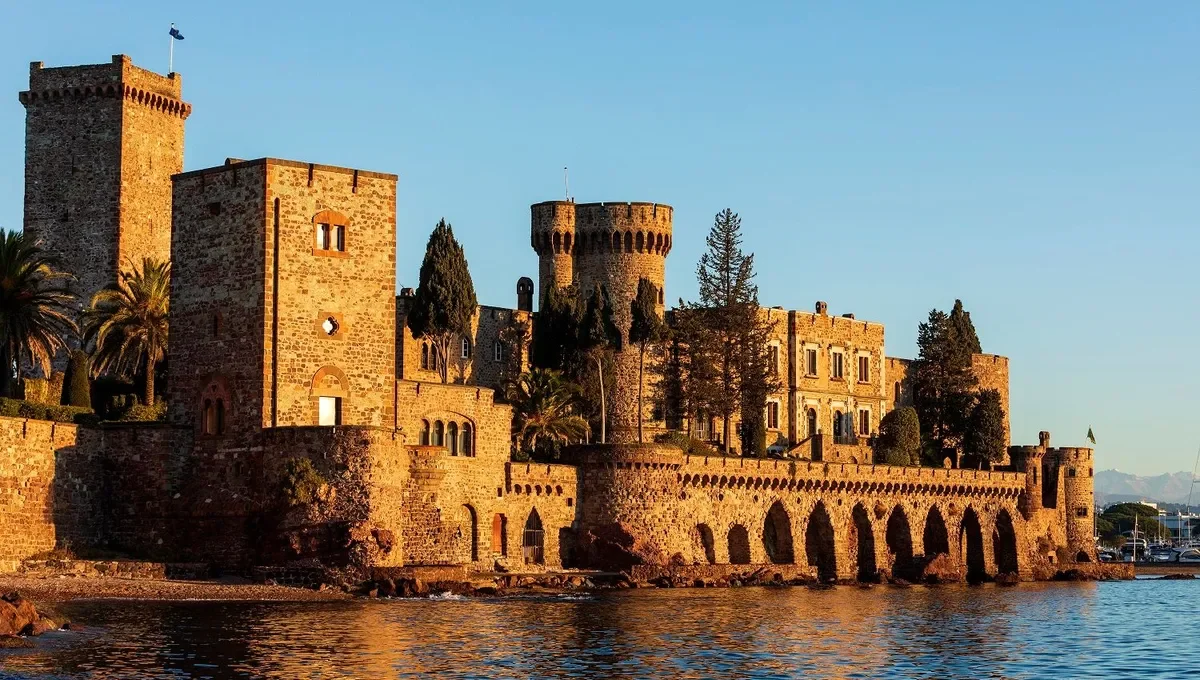
Château de la Napoule on the French Riviera near Cannes.
Few wedding venues in France feel as dramatic as Château de la Napoule.
Perched directly above the Mediterranean just outside Cannes, the château seems almost suspended between sea and sky.
Its current form owes much to the American sculptor Henry Clews, who rebuilt the medieval ruins in the early twentieth century and transformed them into a curious and poetic residence, part Riviera villa, part gothic dream.
The result is unlike any other château in France.
Stone towers rising above the sea.
Palm trees swaying in the coastal wind.
Bougainvillea spilling across ancient walls.
And beyond it all, the endless blue of the Mediterranean.
Light, sea air and Riviera colour
Photographically, the setting is extraordinary.
The sea reflects light constantly, bathing the château in shifting tones throughout the day.
Late afternoon is particularly magical.
The sun begins to sink behind the Esterel hills, the sky slowly turns shades of coral and violet, and the Mediterranean catches the last light like liquid glass.
Portraits taken along the seaside terraces feel almost surreal, somewhere between a fashion editorial and a film still.
It is easy to imagine the architectural symmetry appealing to Wes Anderson, while the Riviera glamour would feel perfectly at home in a James Bond opening scene.
Riviera arrivals and unforgettable evenings
Few places offer such cinematic possibilities for a wedding arrival.
Some couples choose to arrive by boat from Cannes, stepping ashore beneath the château walls as guests watch from the terraces.
Others prefer a more relaxed Riviera rhythm.
Sunset cocktails overlooking the sea.
A candlelit dinner in the courtyard as the air cools and the scent of salt drifts in from the water.
Music rising slowly as the night deepens over the Mediterranean.
Many celebrations extend over several days — with welcome dinners along the Croisette, boat excursions to the Îles de Lérins, or relaxed brunches the following morning beside the sea.
It is theatrical, sensual and unmistakably Riviera.
Pure cinema.
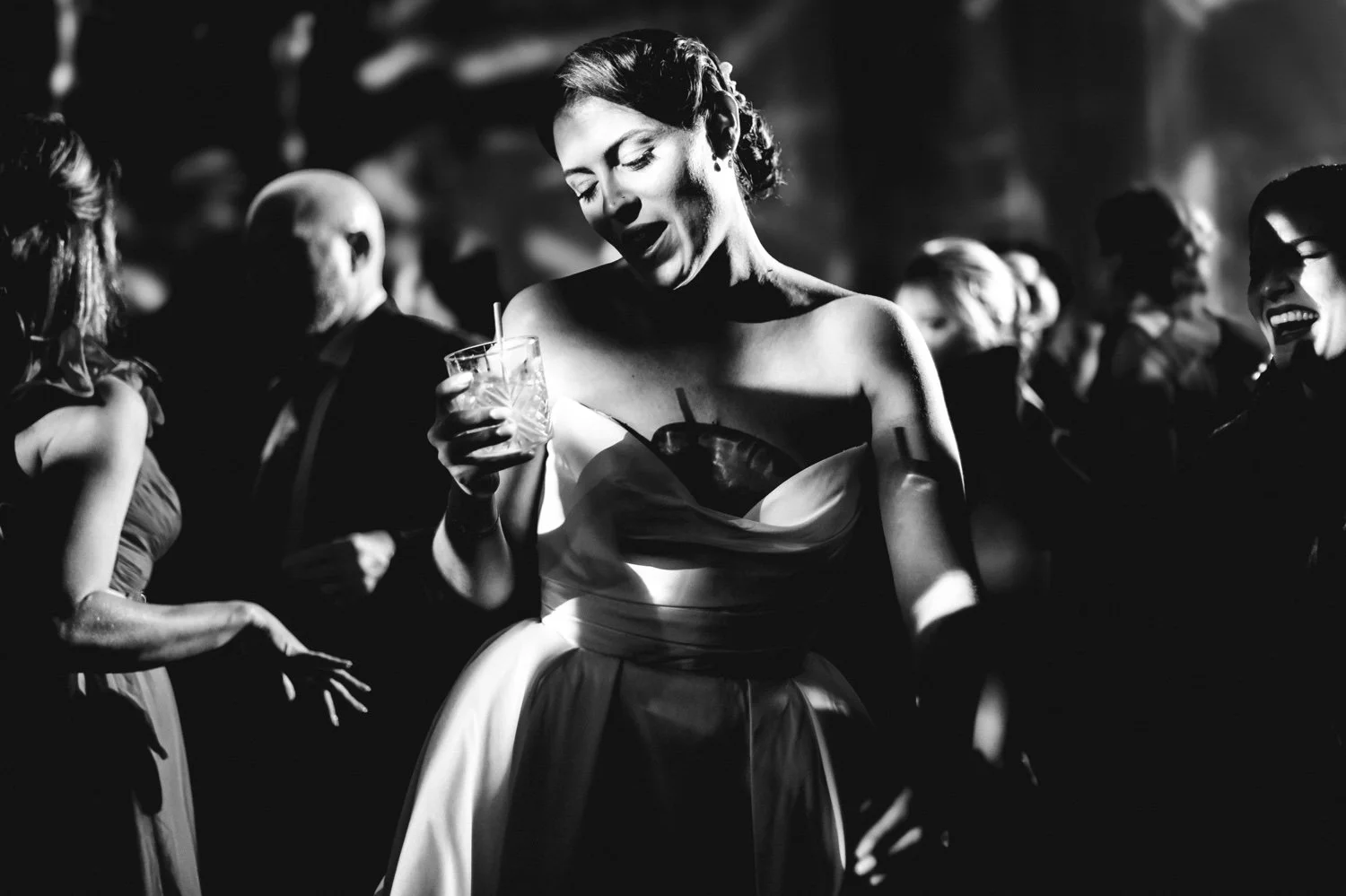
Why couples choose château weddings in France
France offers an extraordinary variety of château wedding venues, from the Loire Valley and Normandy to Provence and the French Riviera.
For international couples dreaming of a destination wedding in France, these historic estates combine architecture, landscape and gastronomy in ways that few places in the world can offer.
For couples dreaming of a château wedding in France, the question is rarely whether such places exist.
The question is simply which one will become part of your story.
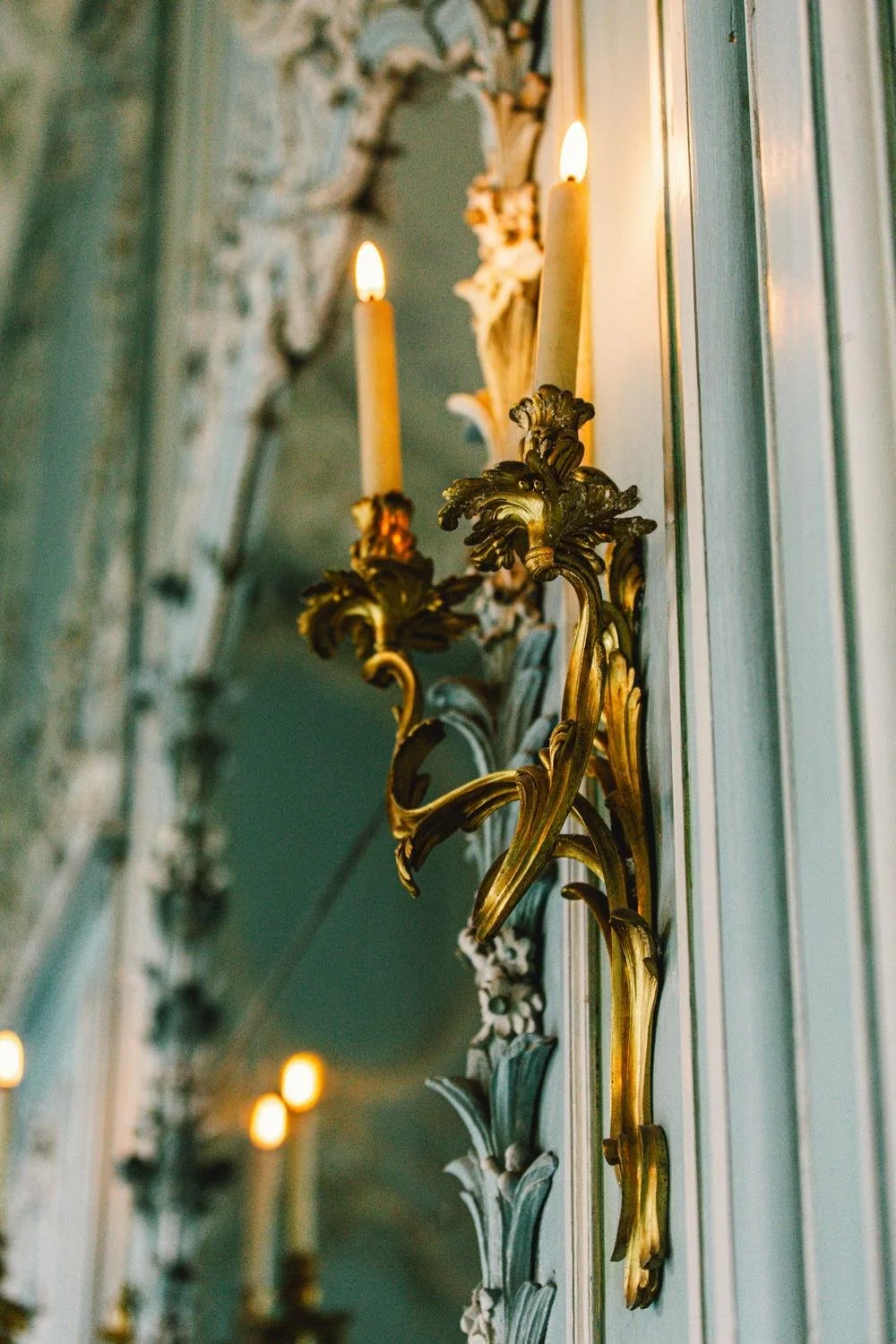
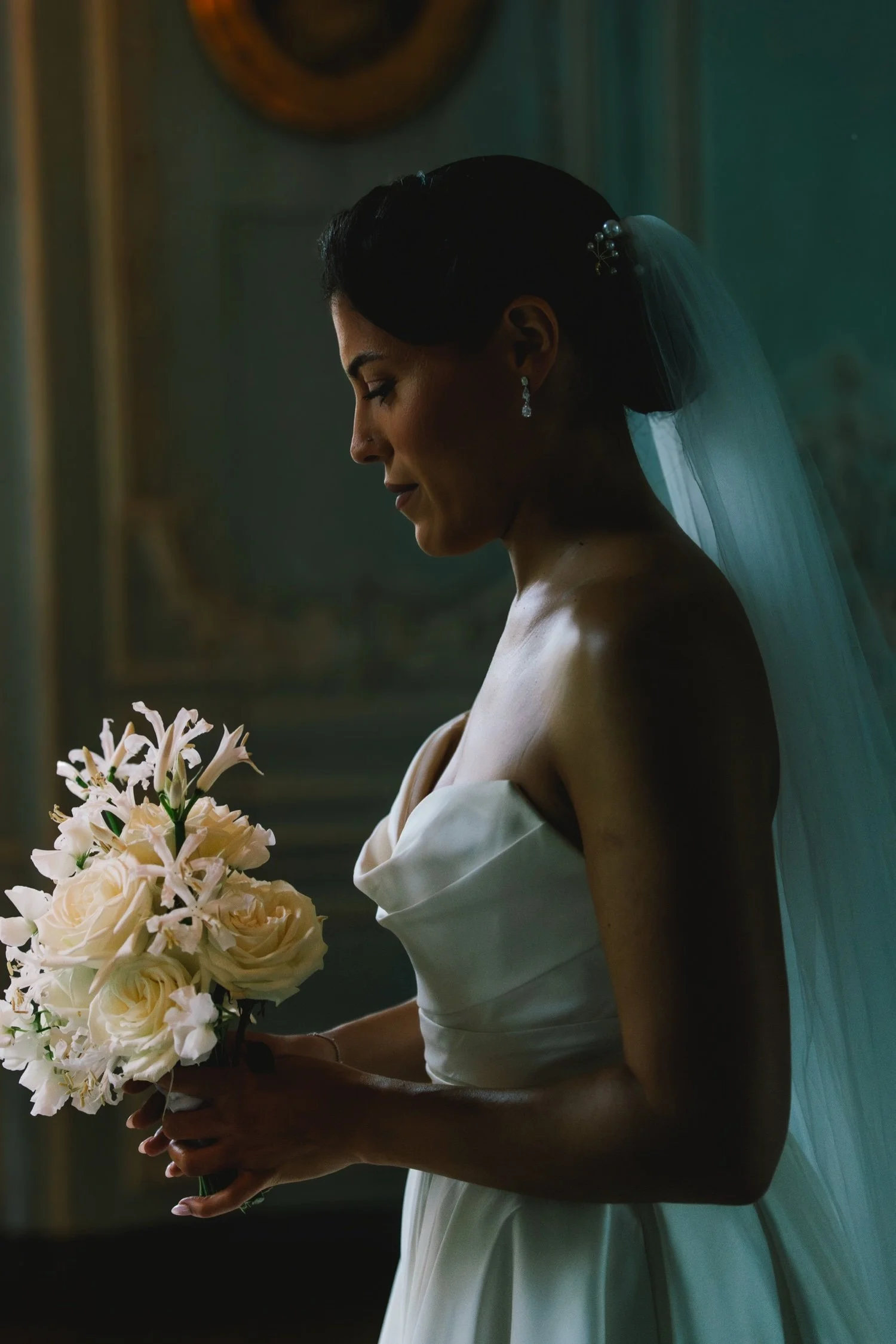
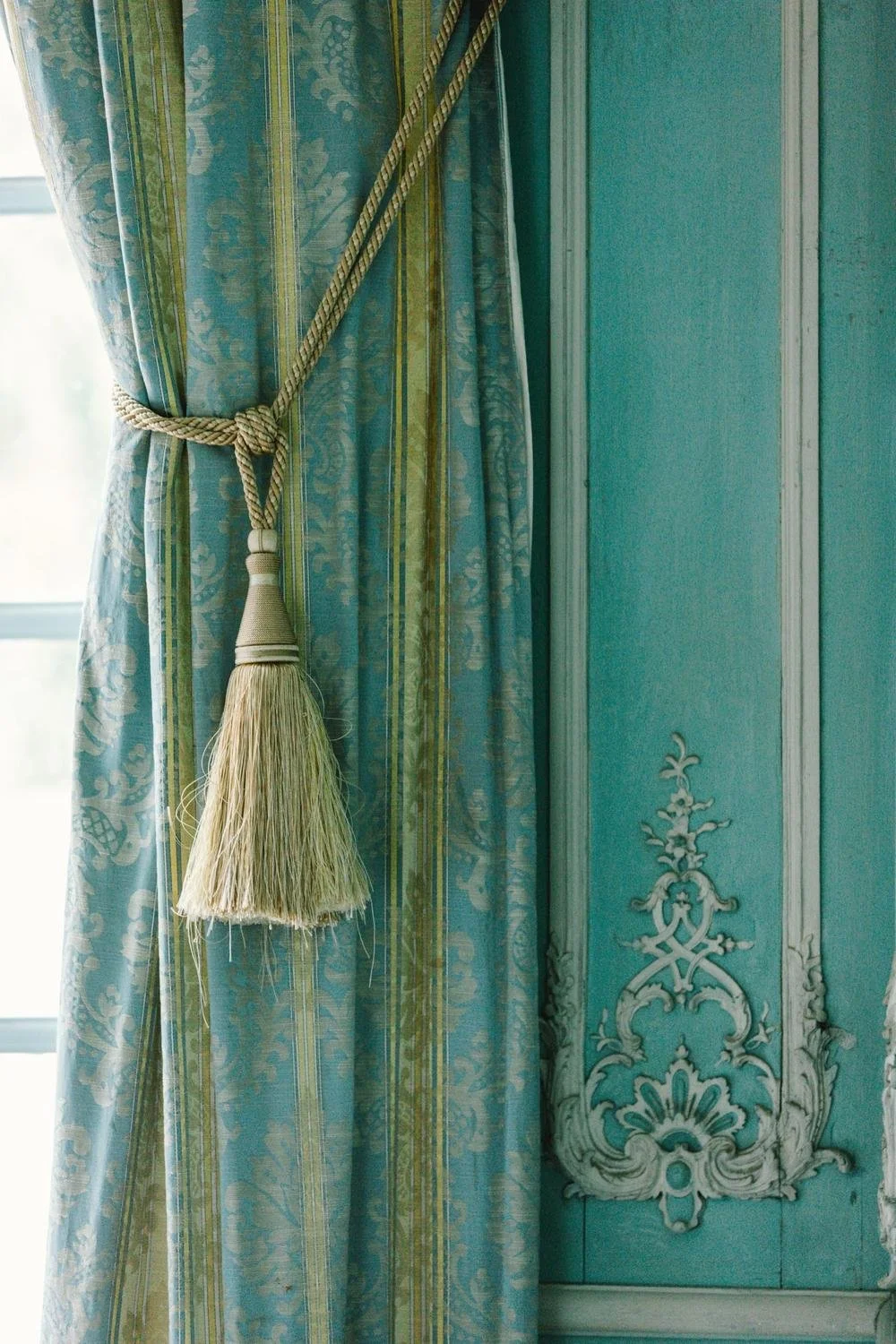
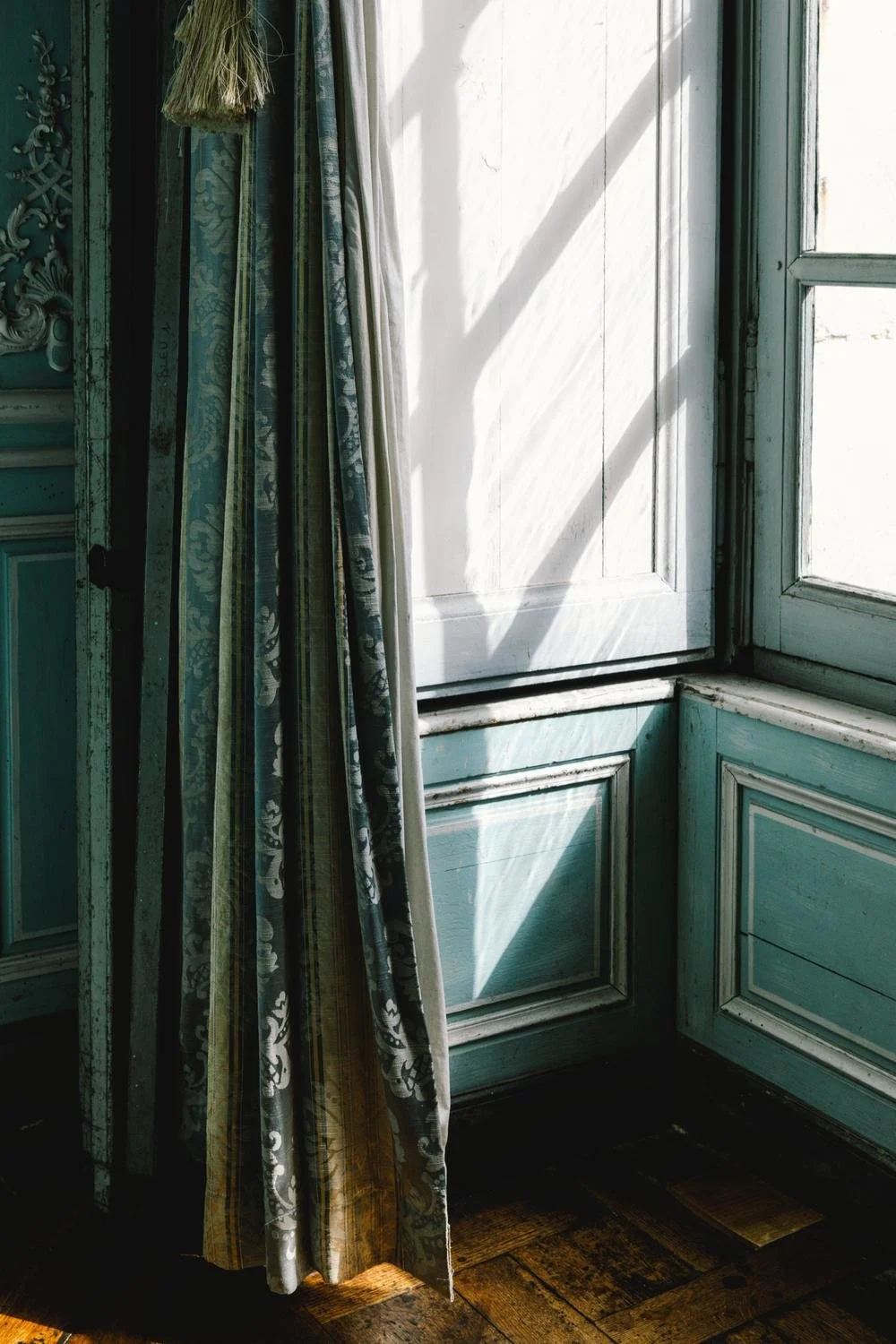
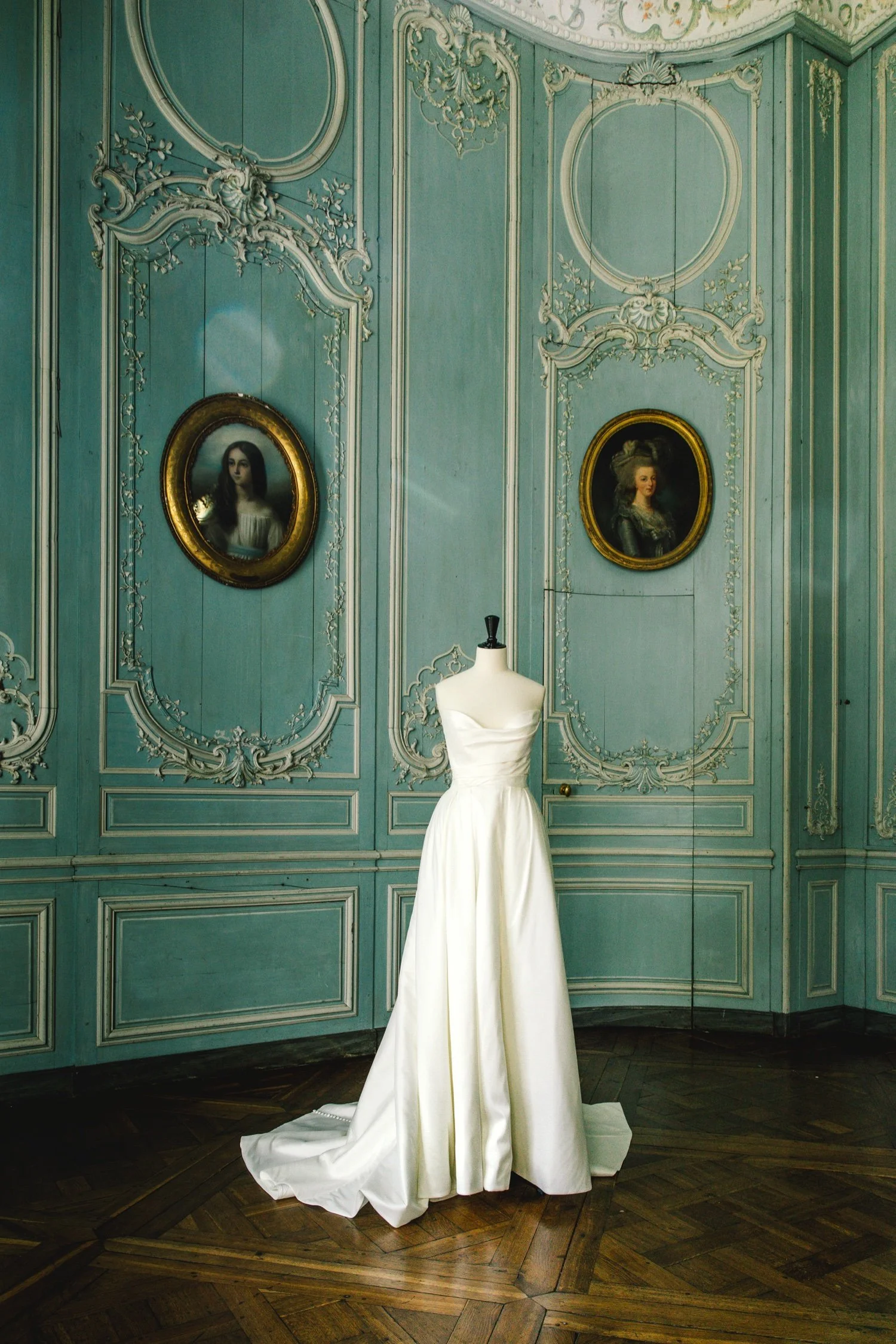
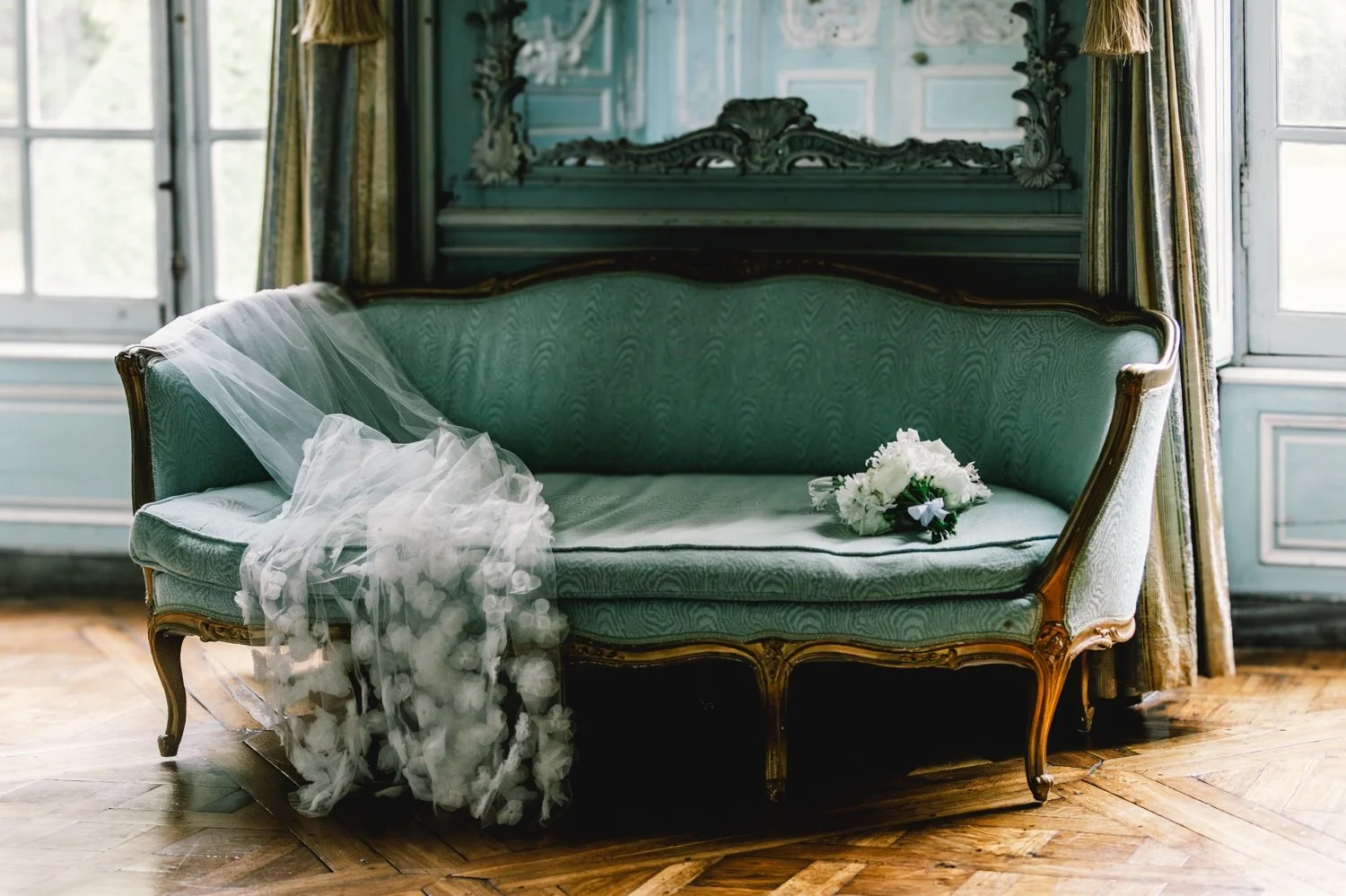
Photographing a wedding in a French château
In historic estates like these, light becomes the most important element. The most beautiful moments rarely happen during formal portraits.
They happen in transitions.
The quiet walk through gardens during golden hour.
The moment candles are lit as evening falls.
The deep blue sky that appears just after sunset.
That is when the architecture, landscape and emotion align.
And when they do, the photographs begin to feel less like documentation and more like cinema.
You can also explore a selection of destination weddings I photographed in France.
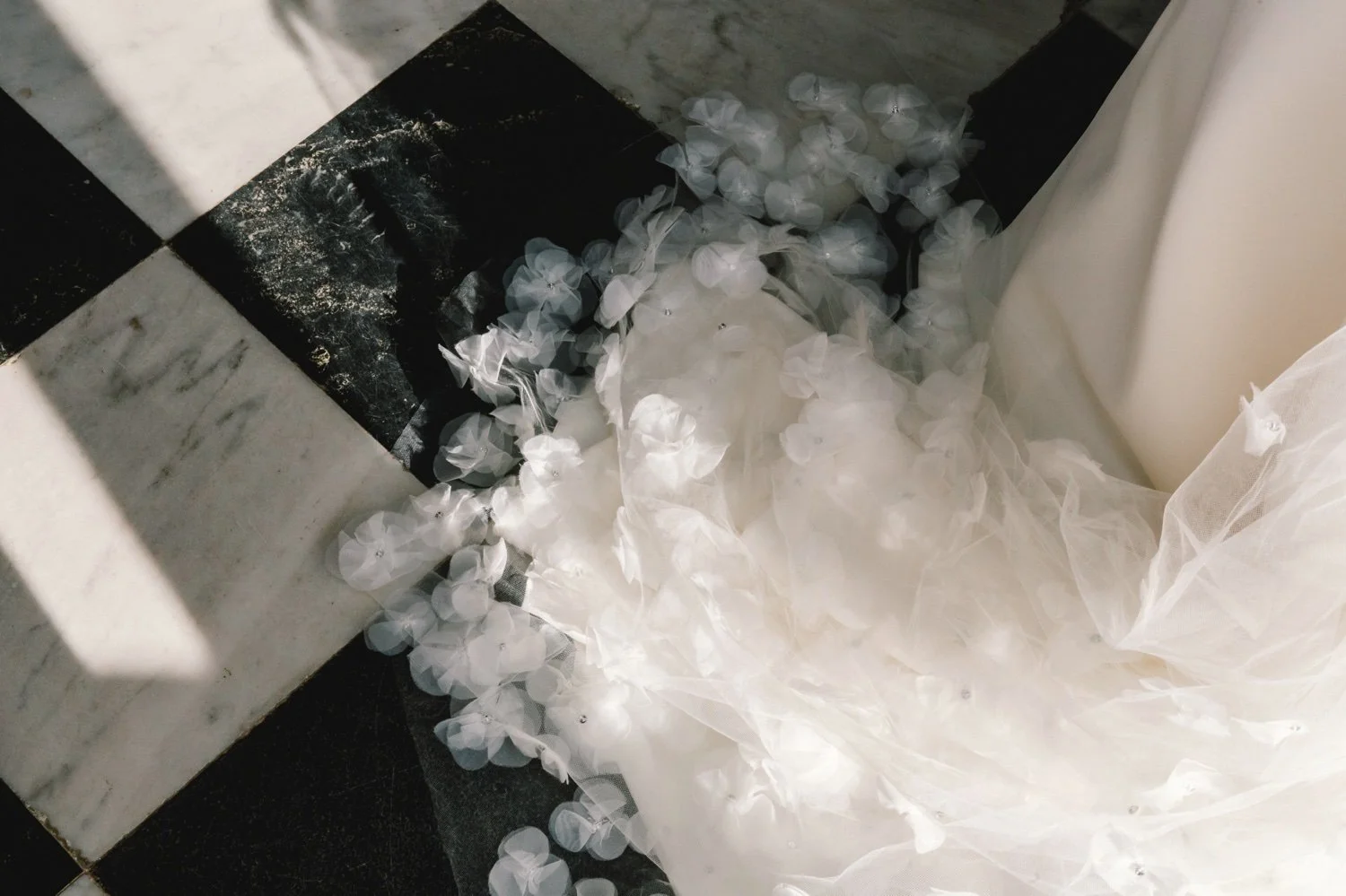
Planning your château wedding in France
If you are dreaming of a destination wedding in France, these venues offer some of the most remarkable settings in Europe.
Each château carries its own atmosphere, landscape and rhythm.
And each celebration becomes a story shaped by that place.
Best season for a château wedding in France
Spring and early summer offer the softest light and blooming gardens, particularly in the Loire Valley and Burgundy.
Late summer brings long golden evenings, ideal for outdoor dinners in château courtyards.
In Provence, September and early October remain wonderfully warm, with vineyards and olive groves glowing under the Mediterranean sun.
That seasonal rhythm is one of the reasons château weddings in France feel so cinematic.
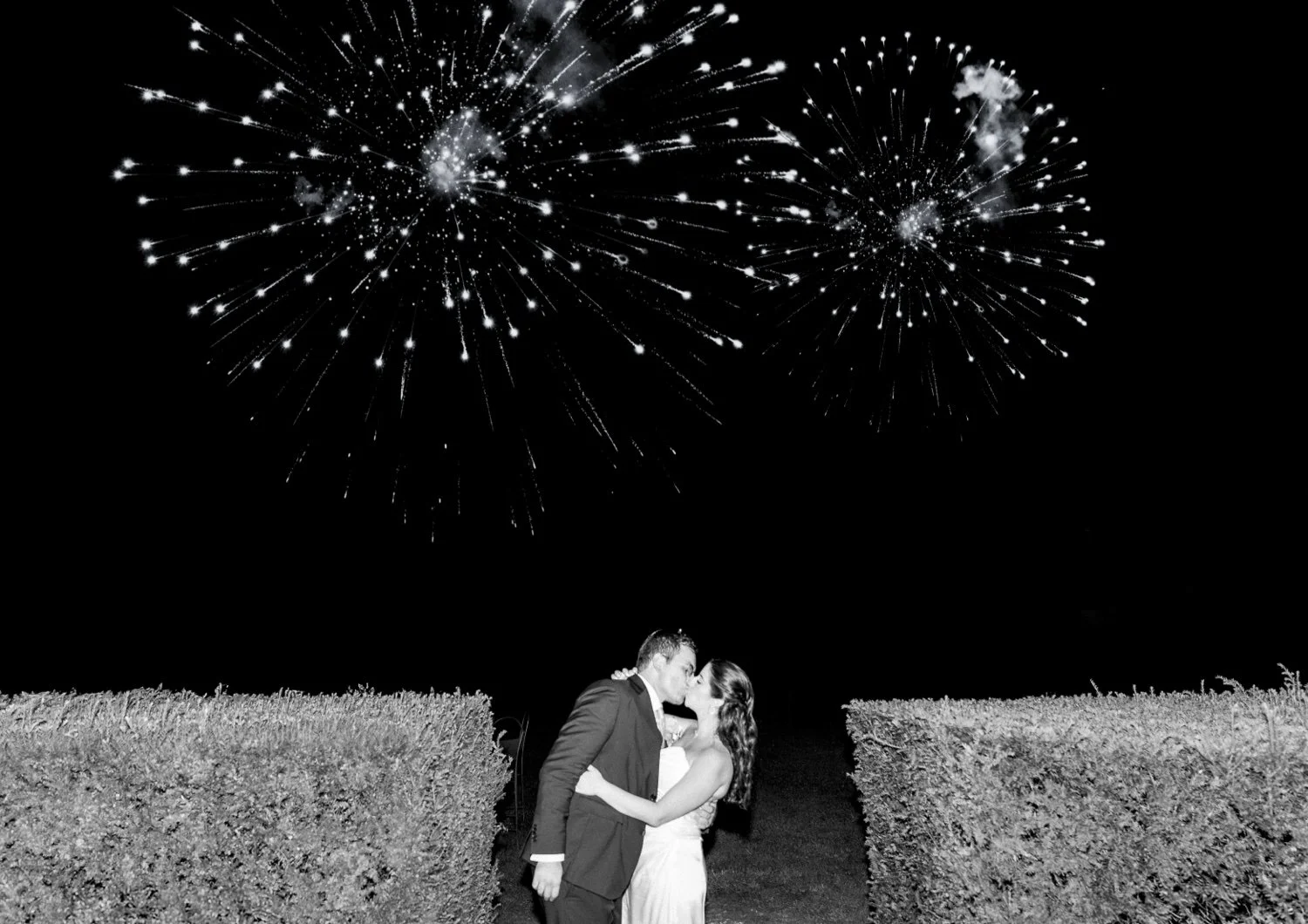
A spectacular fireworks moment during a wedding celebration at Château de Villette near Paris.
Designing a château wedding with character
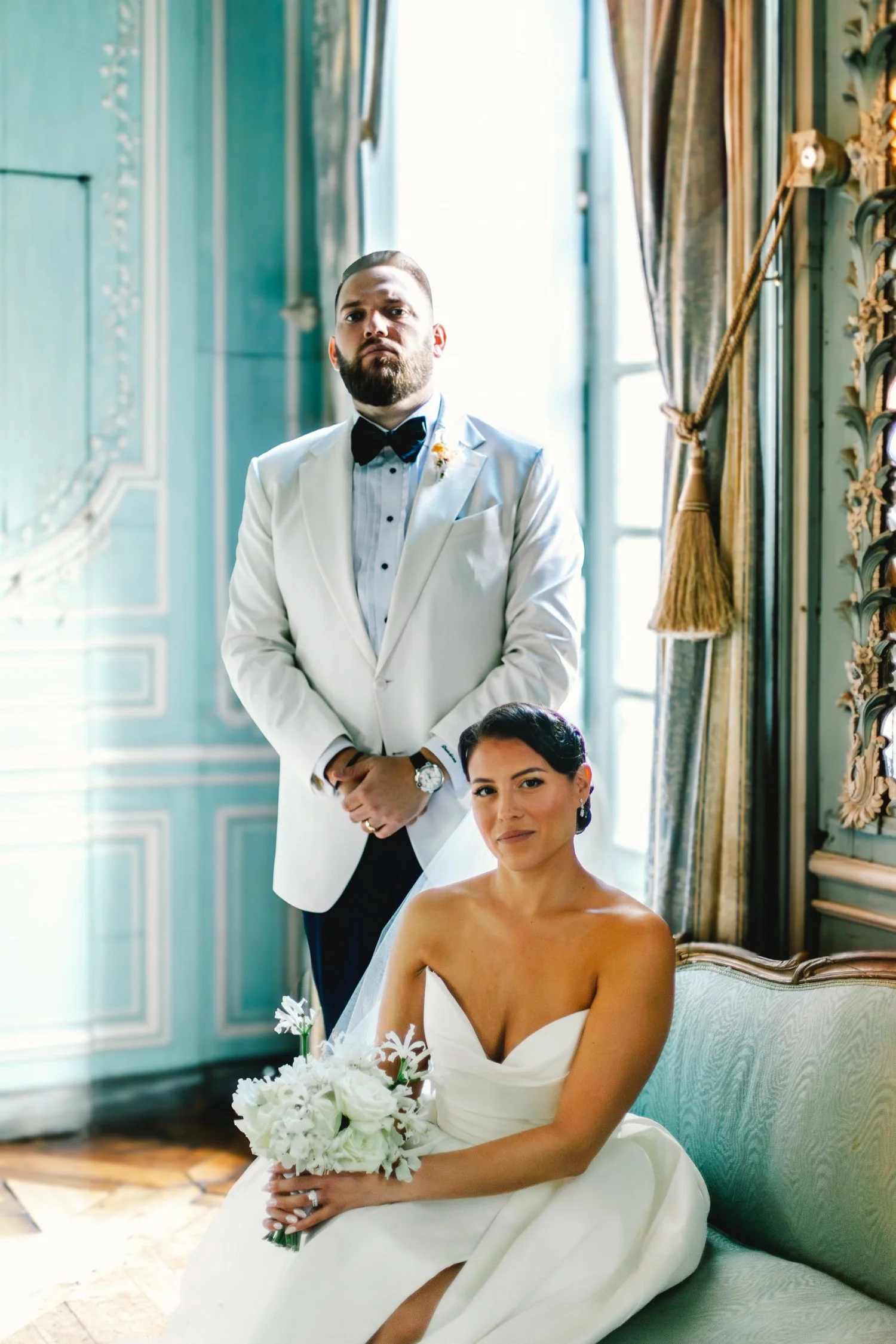
French châteaux invite creativity. And the most unforgettable celebrations rarely follow predictable formulas.
Some couples arrive at the ceremony in vintage Rolls-Royces or Jaguars.
Others organise hot-air balloon flights above the estate at sunset.
Cocktails might feature signature drinks inspired by the region:
lavender and champagne in Provence,
elderflower spritz in the Loire Valley,
or citrus-infused cocktails along the Riviera.
Dinner themes can become theatrical experiences: a Venetian masked ball, a candlelit garden banquet or even a late-night jazz club atmosphere inside the château’s salons.
The key is always the same. Let the place guide the celebration.
Planning a château wedding in France?
If you are dreaming of a destination wedding in a French château, whether in Paris, the Loire Valley, Burgundy or Provence, I would love to hear about your plans.
Discover real celebrations photographed across France or share your vision for your wedding weekend.